 Related image · NASA's Scientific Visualization Studio - University of Maryland College… / Wikimedia Commons
A preprint analysis of seven candidates around five stars also reports orbital period ratios for TOI-2392, a system with three planets.
 Related image · NASA/GSFC
A preprint finds that a chemically intermediate group of stars could have formed in gas linking our galaxy to Gaia-Sausage-Enceladus as the two galaxies merged.
 Related image · B. Saxton, NRAO/AUI/NSF / Wikimedia Commons
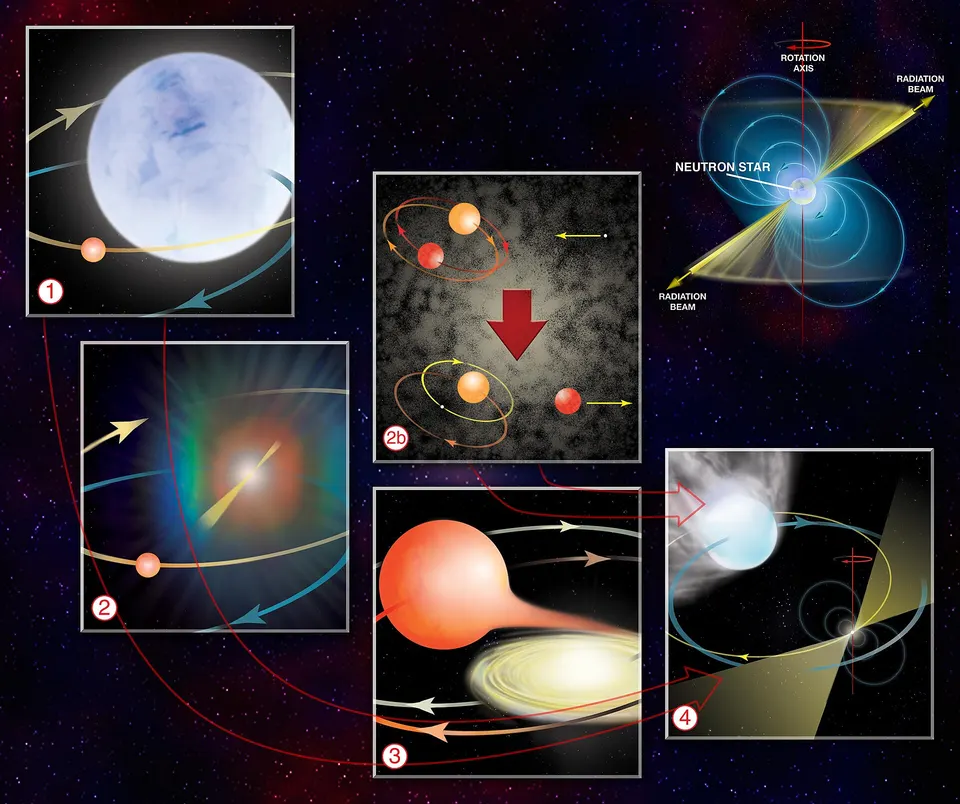
A new preprint uses a millisecond pulsar orbiting a candidate black hole to set limits on so-called cosmological coupling. For now, the limits are loose.
 Related image · ESO/L. Calçada / Wikimedia Commons
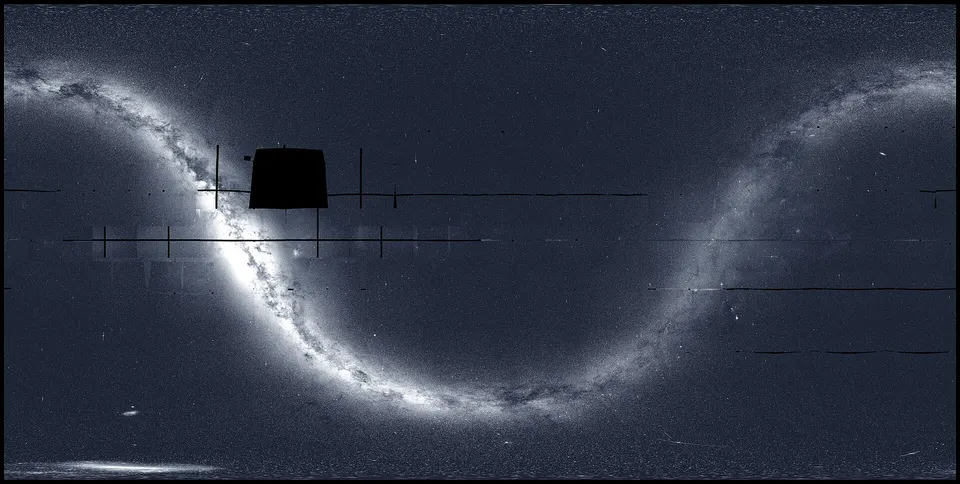
The new release is nearly three times the size of earlier editions. For some stars, it draws on close to 28 years of observations of the galaxy's bulge and disk.
 Related image · NASA/GSFC/Solar Dynamics Observatory
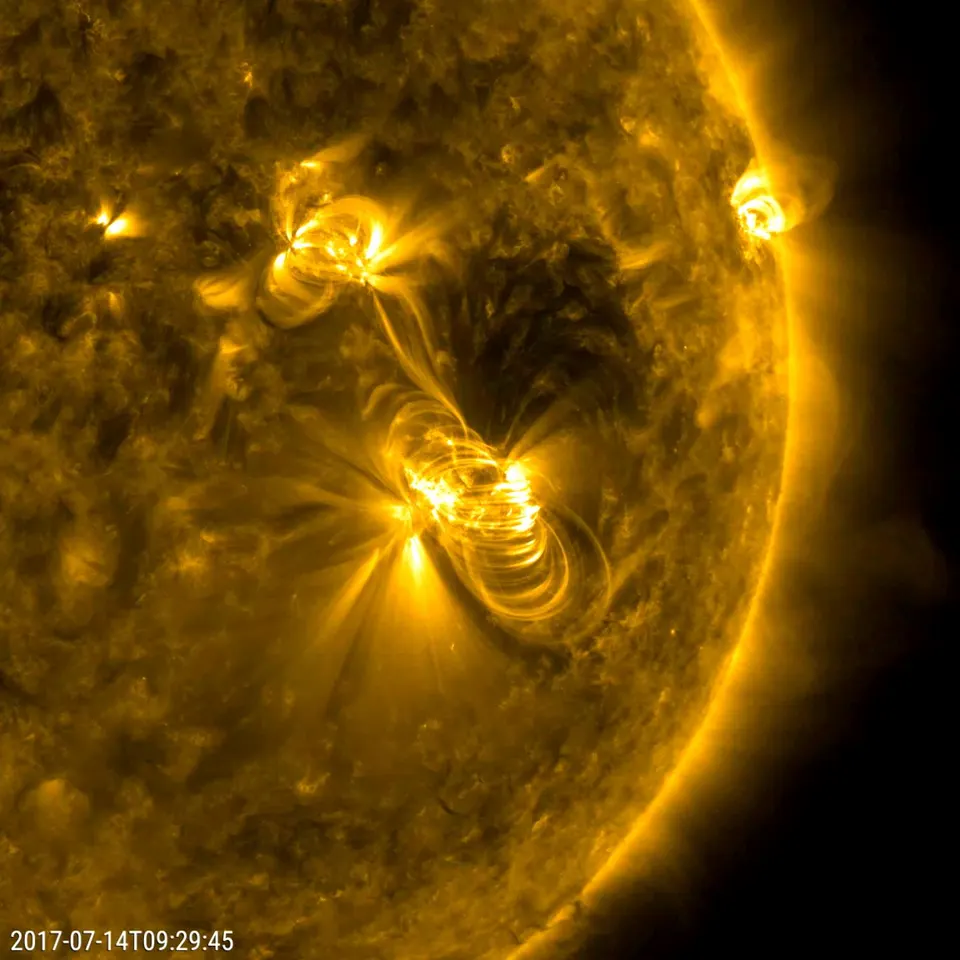
In the model, each coronal mass ejection moved faster than the one before it, catching up and joining its predecessor as their magnetic fields reconnected.
 NASA
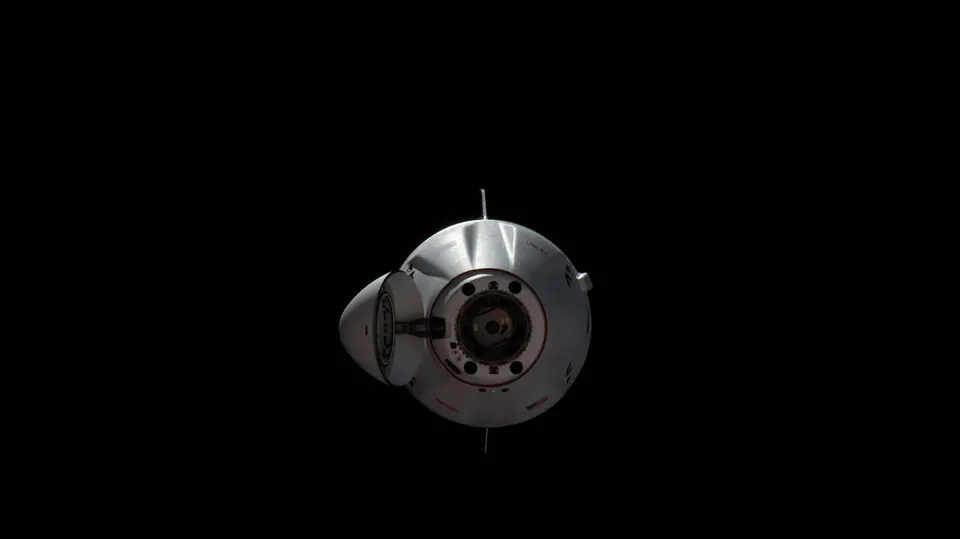
The uncrewed capsule brought home bioprinted blood vessel tissue, treated tumor organoids, bacteria samples and a lighting system that spent more than three years on the station.
 Related image · NASA/JPL-Caltech
The infrared pulses repeat with the dead star's spin, and their peak overlaps with its hard X-ray peak, suggesting the pulsed light comes from the star's magnetic environment.
 Related image · ESO/B. Tafreshi (twanight.org) / Wikimedia Commons
The team measured the black hole's mass from its gravitational pull on nearby gas, in a galaxy seen when the cosmos was roughly 1.3 billion years old.
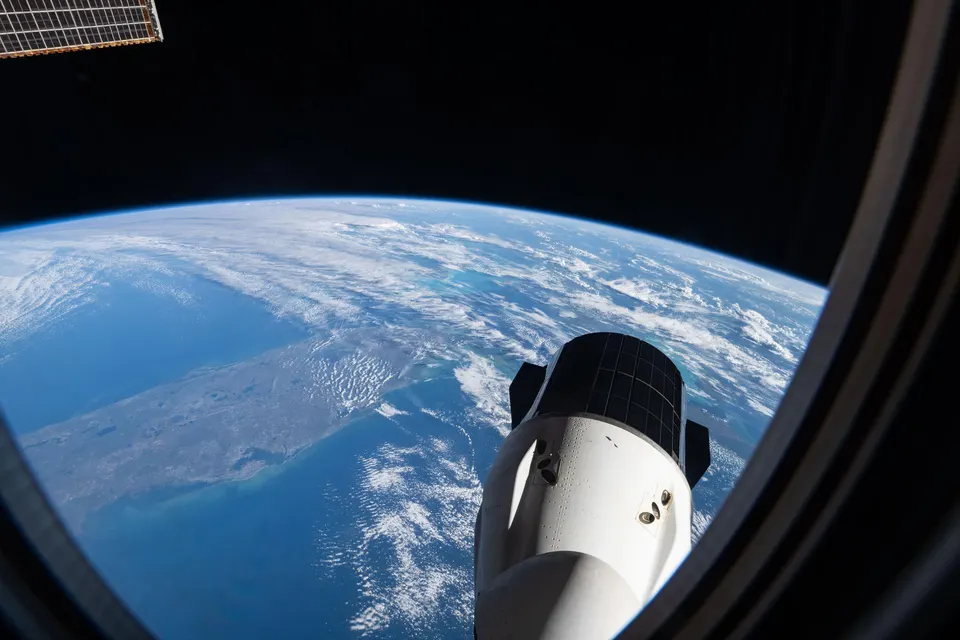 Related image · NASA/JSC
The capsule undocked from the Harmony module on Nov. 20 and is due to splash down off California on Saturday, Nov. 21. NASA will not stream the landing.
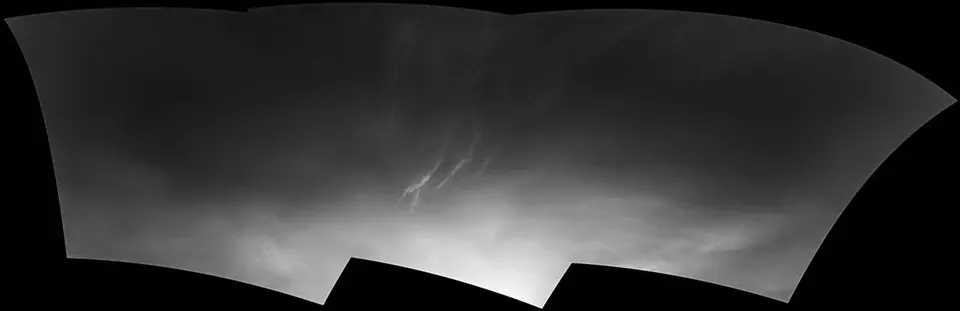 NASA/JPL-Caltech
The rover's navigation cameras caught the post-sunset clouds on Oct. 31, 2026, during the brief seasonal window when they appear each fall.
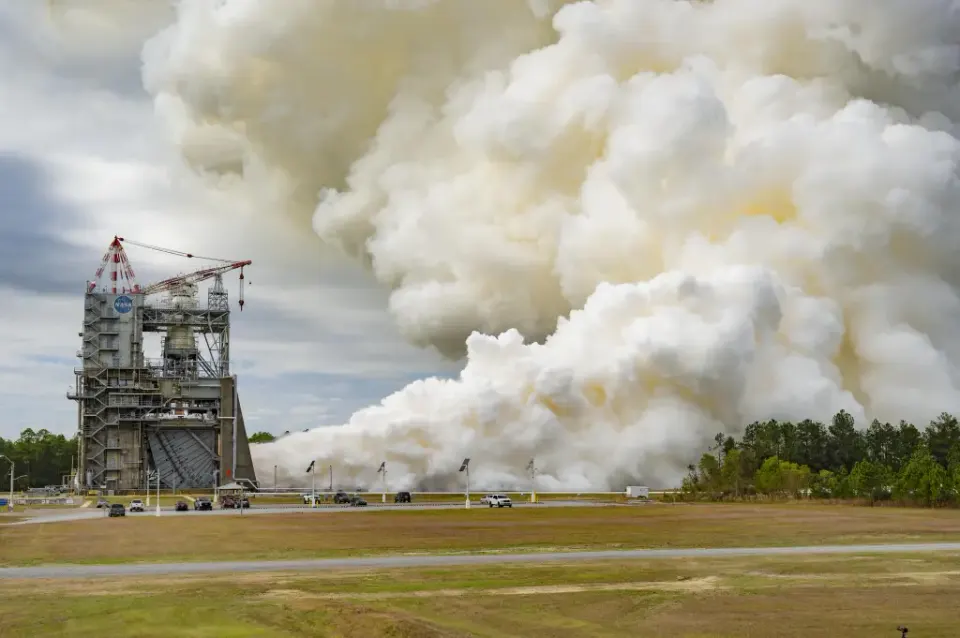 NASA
Engine No. 10001 will never fly. NASA says its Nov. 18 firing produced data to help make the engines that launch Artemis missions perform better and more reliably.
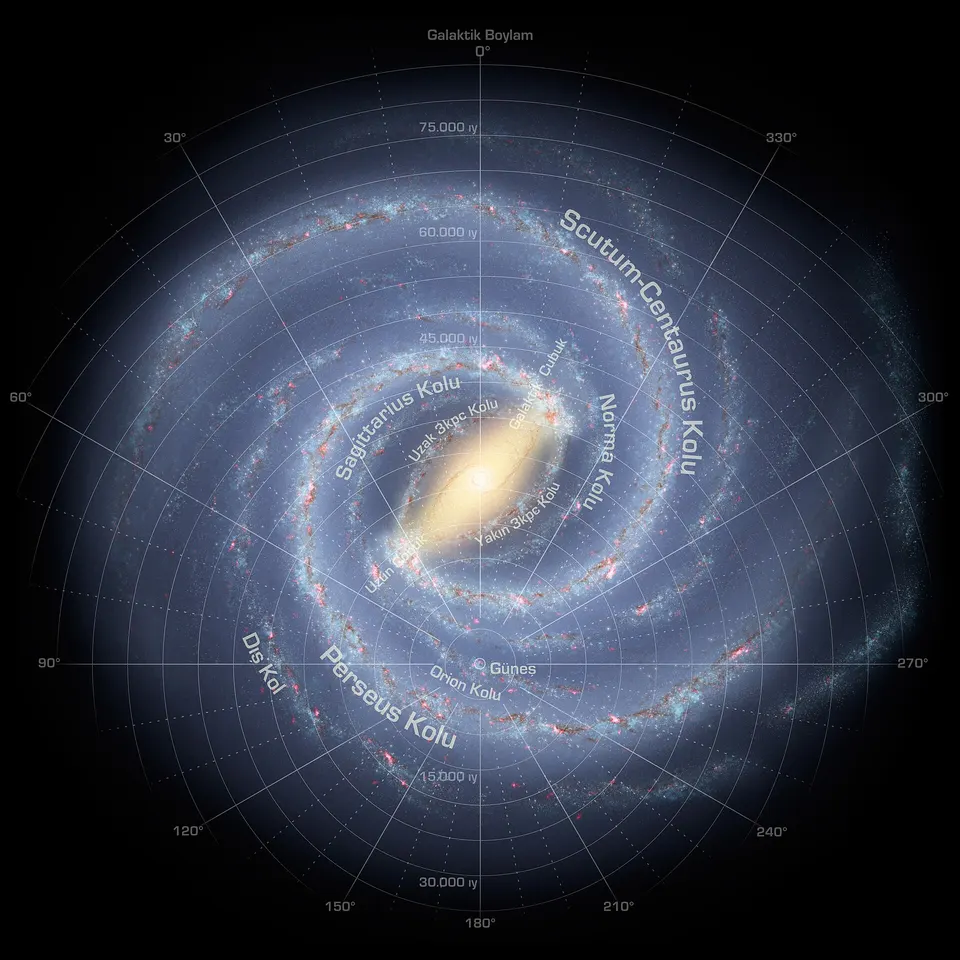 Related image · NASA/JPL-Caltech/R. Hurt / Wikimedia Commons
Galaxy simulations and gas maps suggest a feature long counted as a spiral arm traces the bar's dust lane, pointing to a long, slow bar.
 Related image · Stephan Tournay / Wikimedia Commons
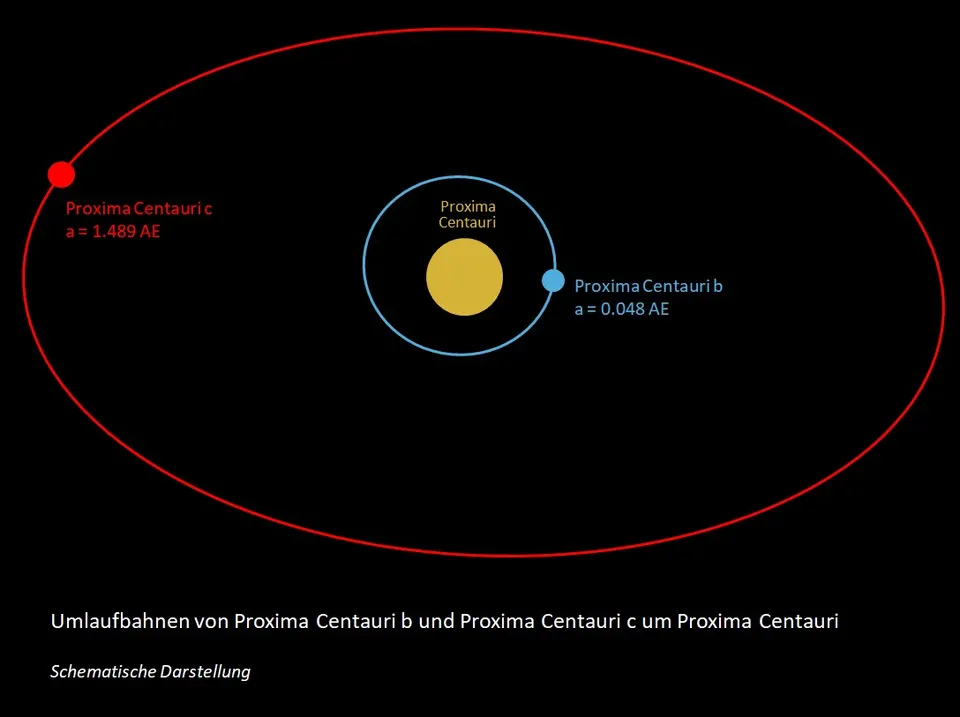
The bright patches once read as a cold belt stayed put while the star moved, suggesting they are distant background sources and not part of Proxima's system.
 Related image · Eydeet, using DART's satellite imagery by NASA / Wikimedia Commons
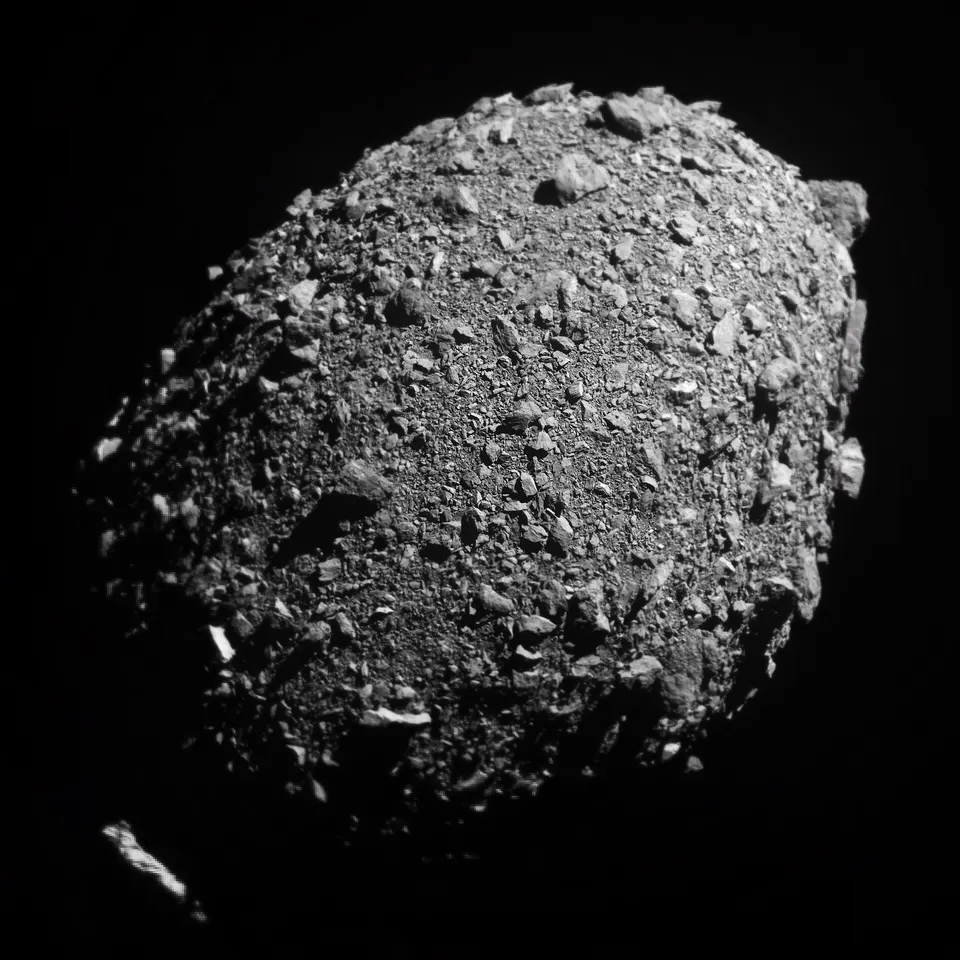
ESA will livestream Hera's first close-up views of the asteroid on 25 November. More than four years ago, NASA's DART spacecraft hit it on purpose and shortened its orbit.
 NASA/JPL-Caltech
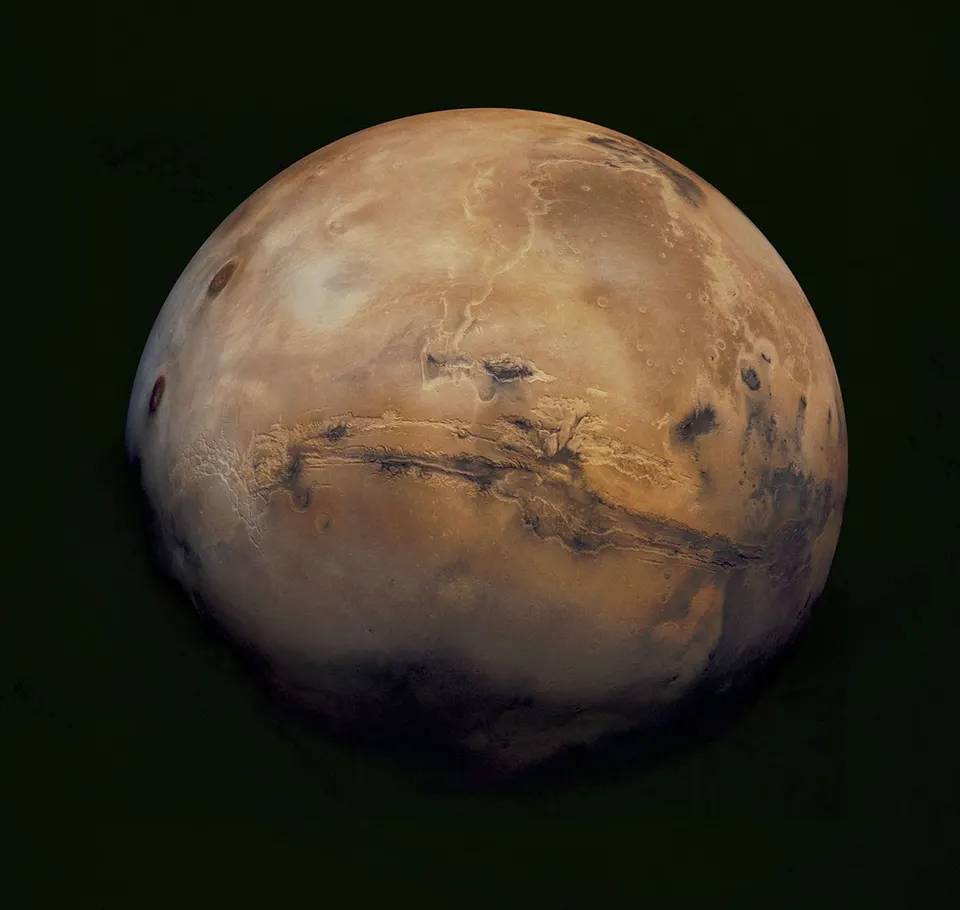
Both of the rover's UHF radios are sidelined, and one of Odyssey's three remaining reaction wheels has stopped spinning.
 Related image · NASA/GSFC
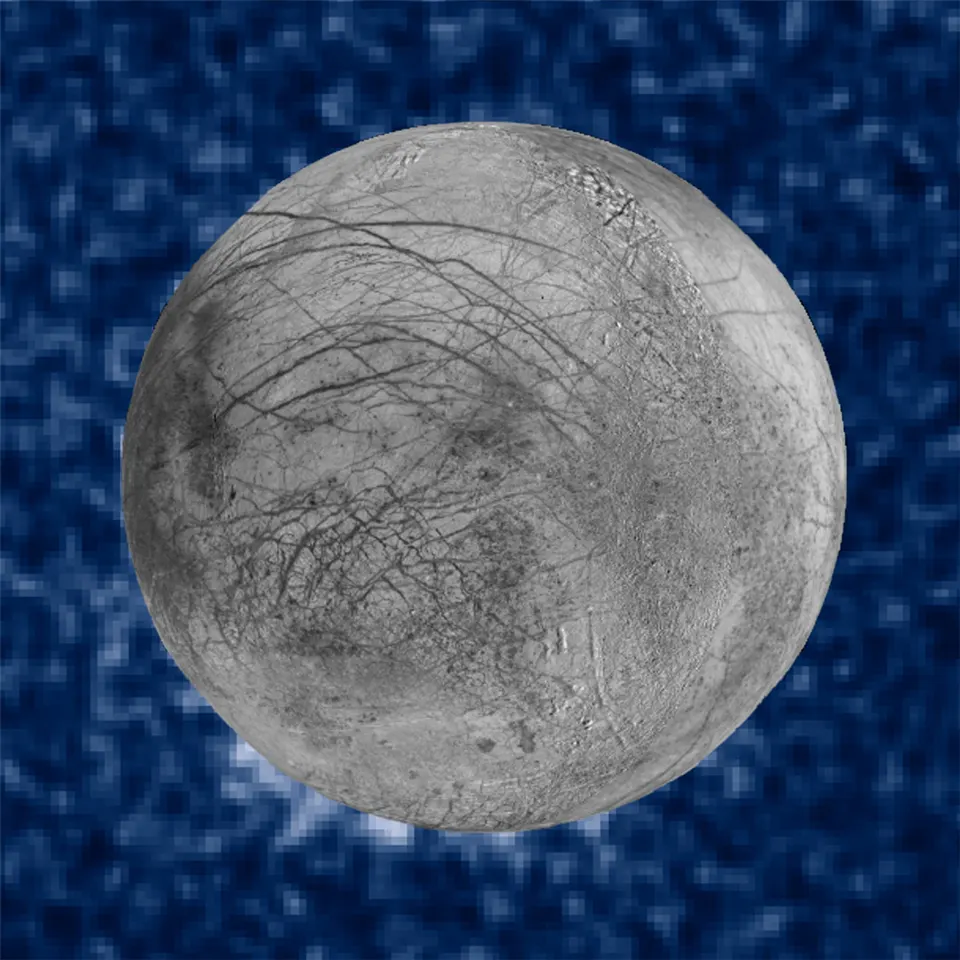
Keck Observatory data show the moon's sodium haze doesn't track Io's volcanoes. Researchers say it likely comes from Europa's own saltwater.
 Related image · NOAA / Wikimedia Commons
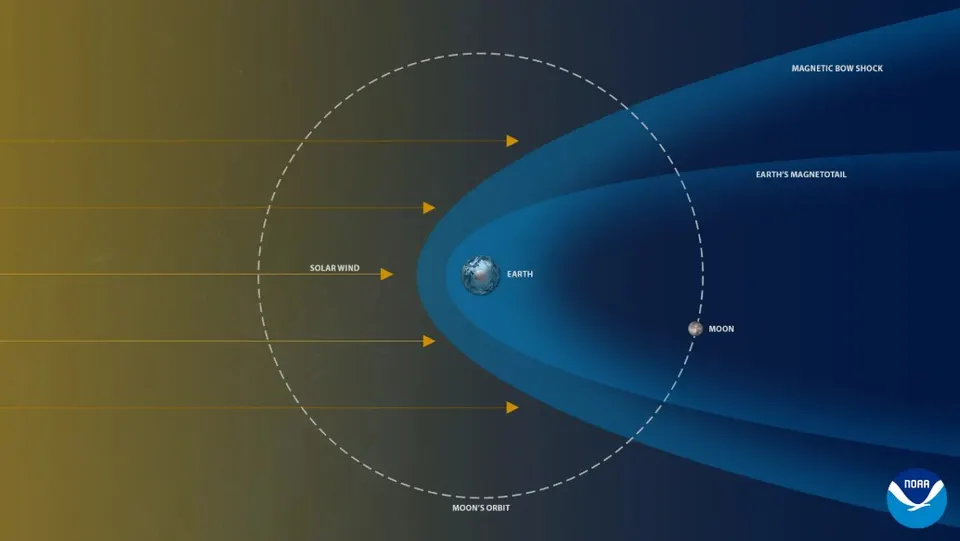
The fleet will measure fields and particles in seven places at once to link small, fast plasma events to large changes around Earth. Launch is provisionally foreseen for the late 2030s.
 NASA/JPL-Caltech
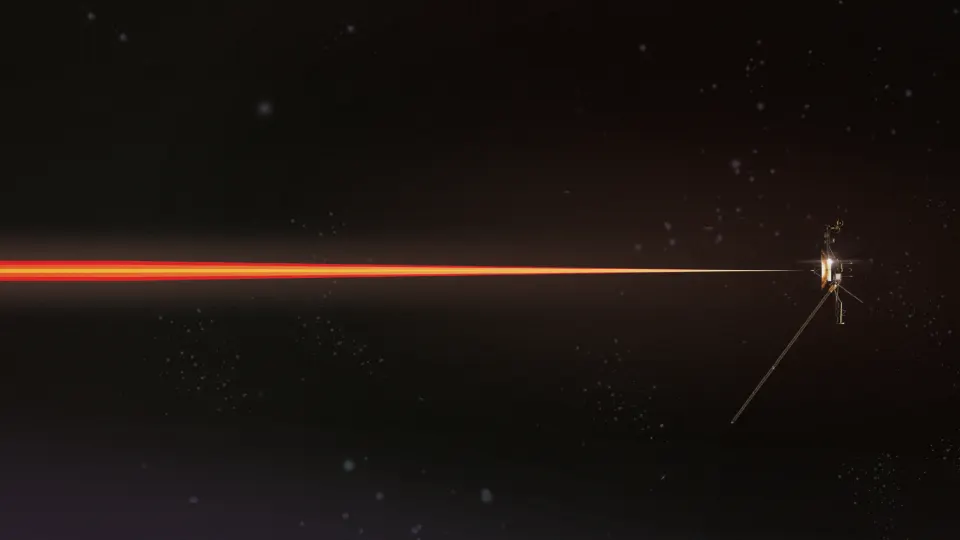
Engineers confirmed the Nov. 18 crossing using the carrier signal and trajectory calculations, though the team has not received science or engineering data since Nov. 14.
 Related image · NASA/GSFC
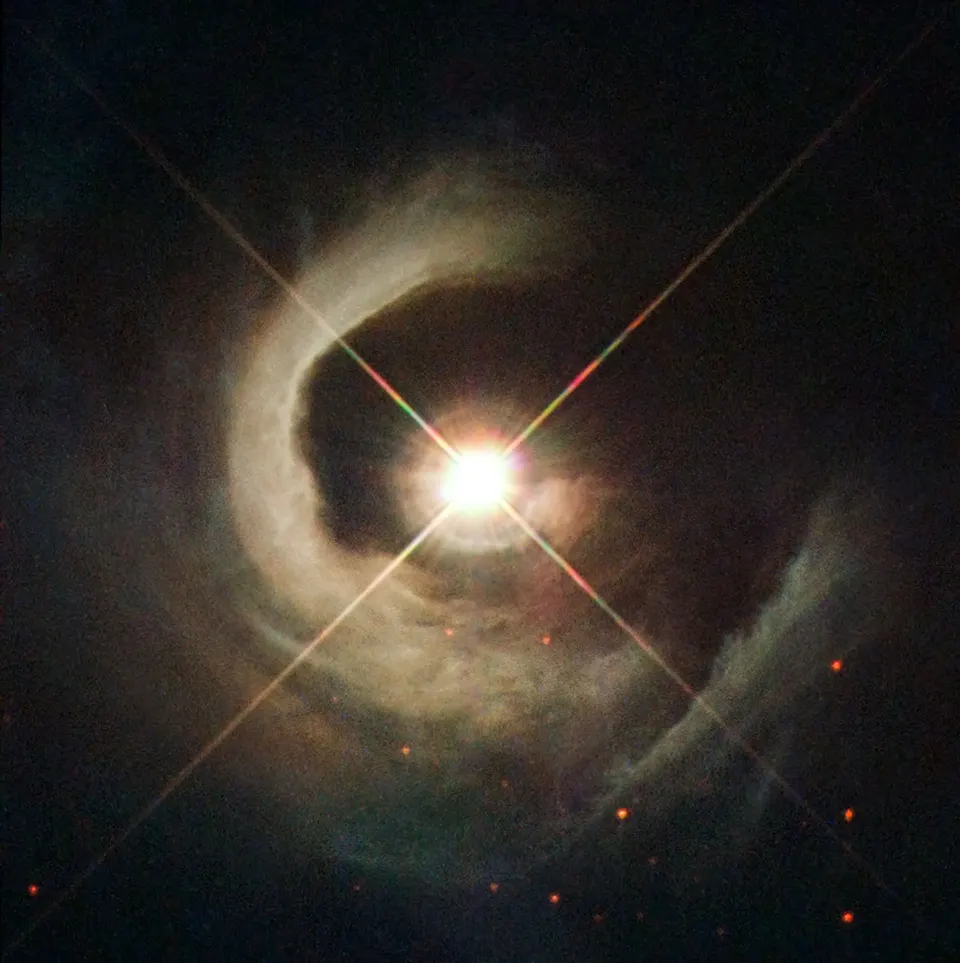
A theoretical model and a laboratory experiment suggest that charge exchange inside accretion shocks lowers oxygen-based density estimates.
 Related image · PopePompus / Wikimedia Commons
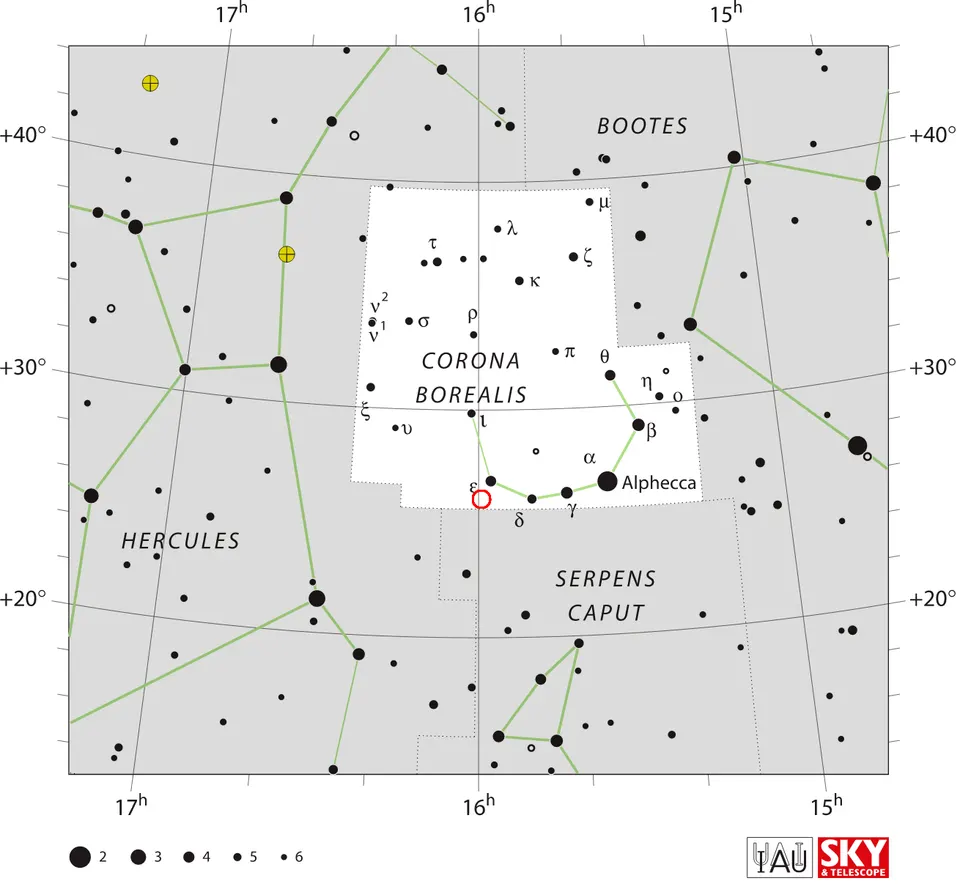
Simulations of the long-awaited outburst show how detecting, or failing to detect, neutrinos and gamma rays could reveal how novae speed up particles.
 NASA
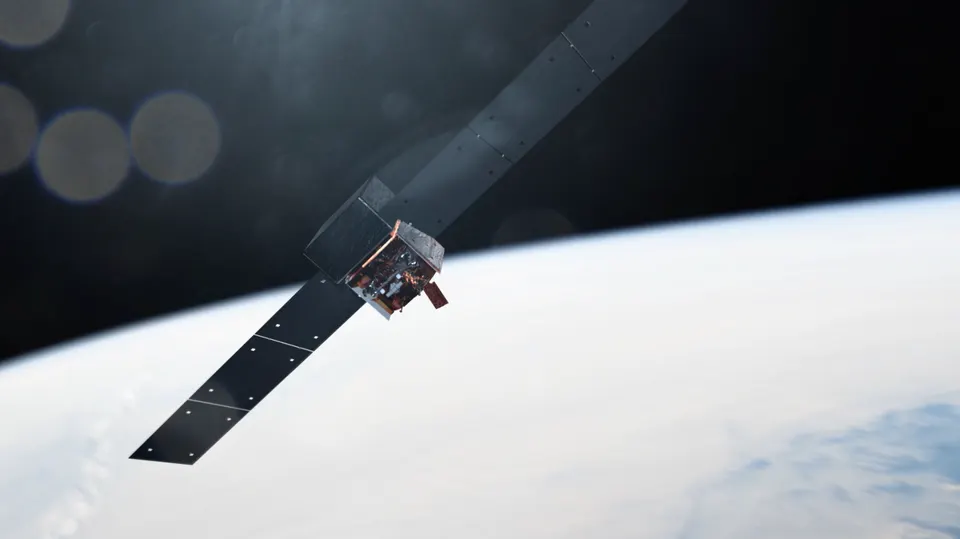
Borrowing math from code-breakers, researchers found a pulsar spinning 261 times per second using 10 hours of computing time. The previous best method failed to find it.
 Related image · A. Schultz (Computer Sciences Corp.), S. Heap ( NASA / ESA Goddard Space… / Wikimedia Commons
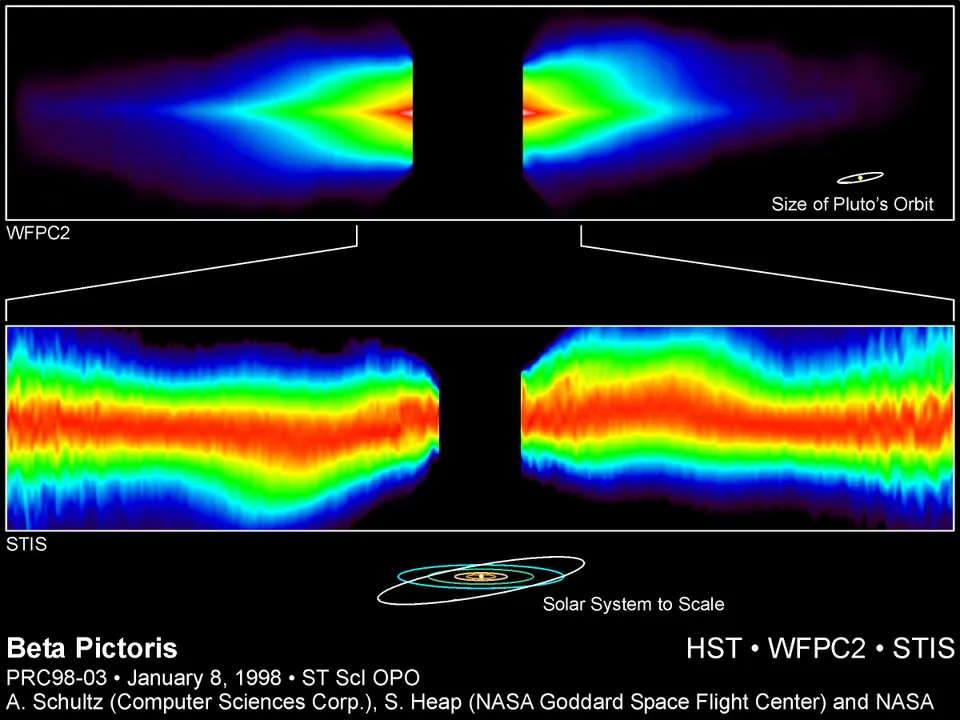
The ices are mixed together in a way that points to a cold origin, likely in interstellar space, and they appear spread evenly through the disk.
 NASA
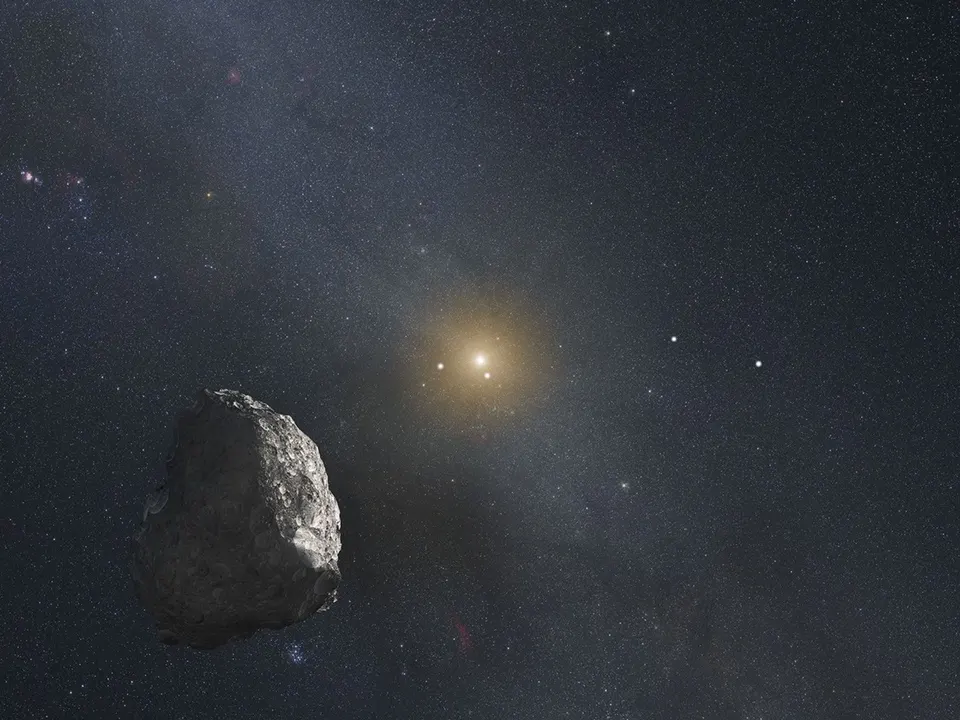
NASA researchers traced 12 dust particles to the Kuiper Belt and found signs of early water rich in heavier oxygen isotopes.
 Related image · NASA/Kim Shiflett
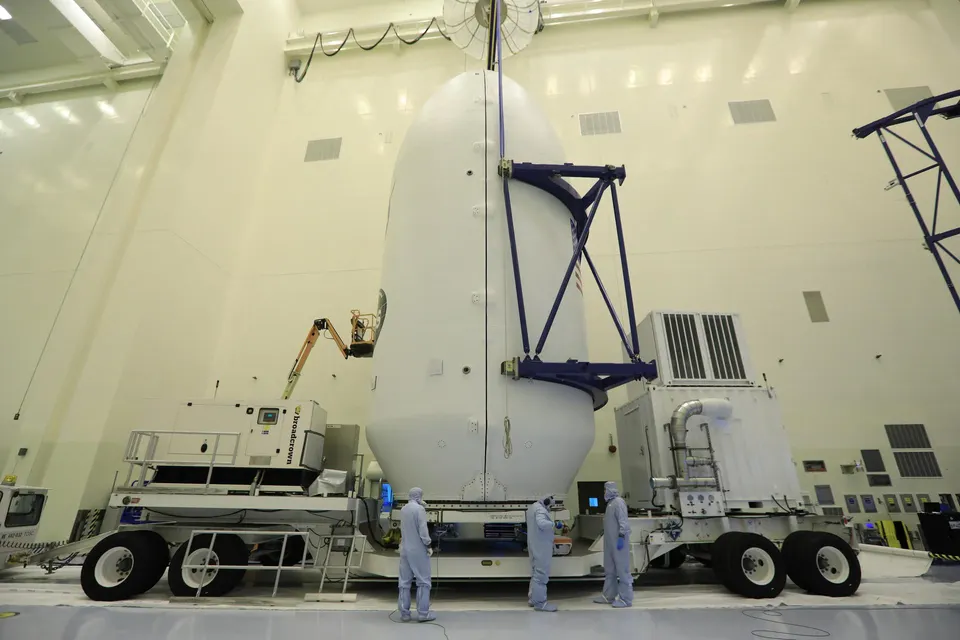
A preprint team combed TESS full-frame images of more than 113,000 small, cool stars within 100 parsecs. Most of the candidates are new, but none are confirmed yet.

