 Related image · NASA/GSFC
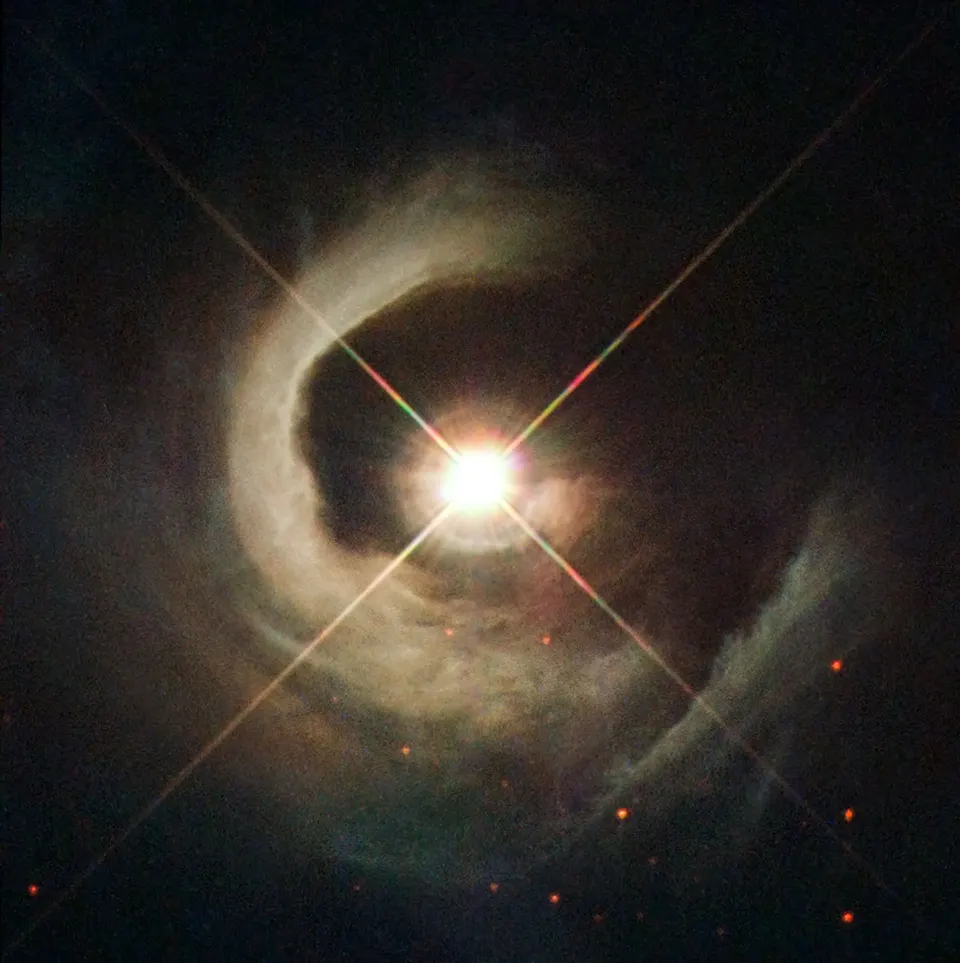
A theoretical model and a laboratory experiment suggest that charge exchange inside accretion shocks lowers oxygen-based density estimates.
 Related image · PopePompus / Wikimedia Commons
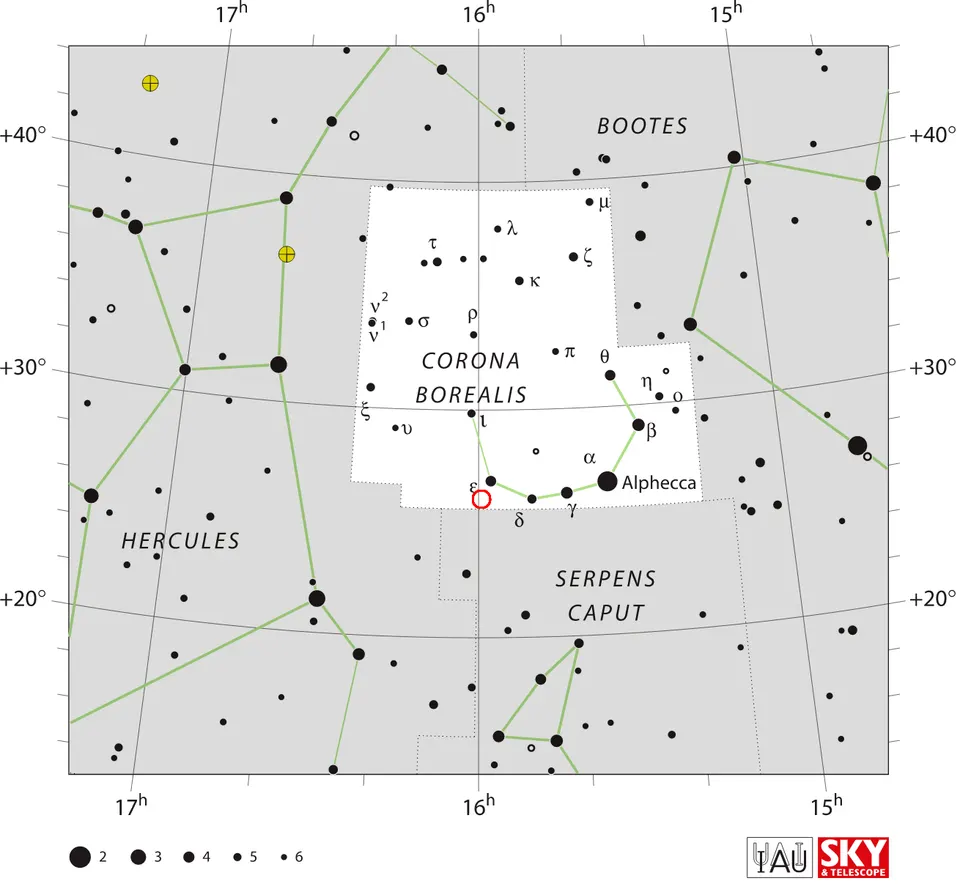
Simulations of the long-awaited outburst show how detecting, or failing to detect, neutrinos and gamma rays could reveal how novae speed up particles.
 NASA
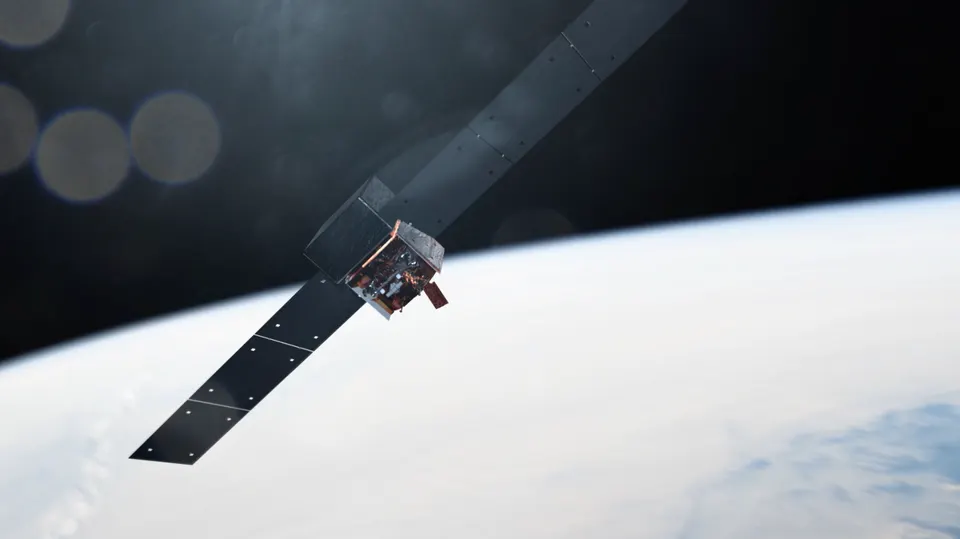
Borrowing math from code-breakers, researchers found a pulsar spinning 261 times per second using 10 hours of computing time. The previous best method failed to find it.
 Related image · A. Schultz (Computer Sciences Corp.), S. Heap ( NASA / ESA Goddard Space… / Wikimedia Commons
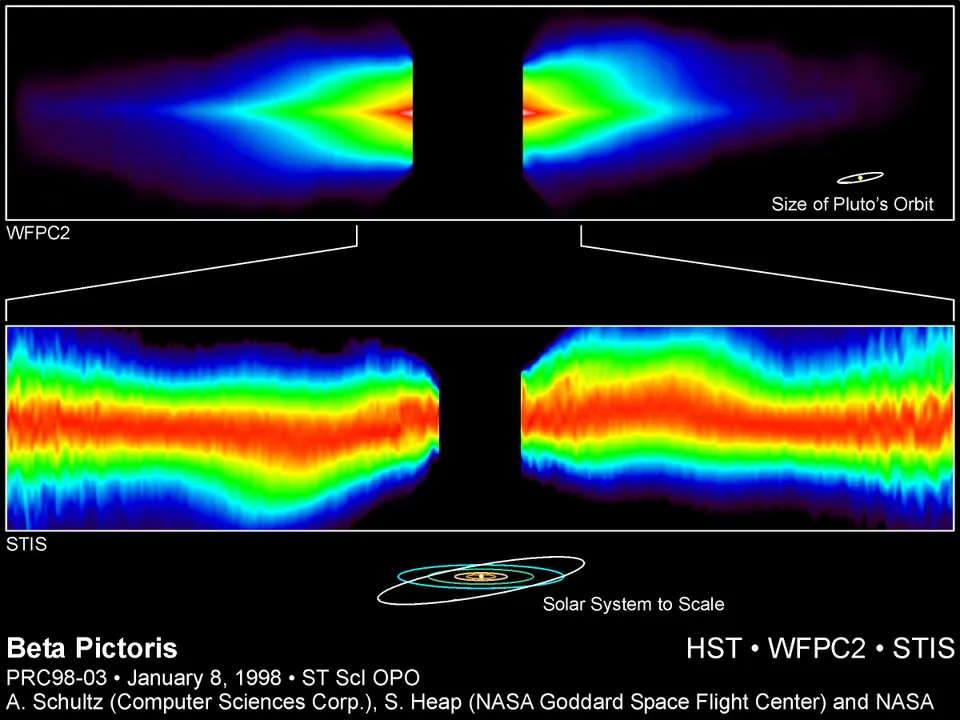
The ices are mixed together in a way that points to a cold origin, likely in interstellar space, and they appear spread evenly through the disk.
 Related image · KPNO/NOIRLab/NSF/AURA/Peter Spokes/Adam Block / Wikimedia Commons
The disk closest to the hot star 42 Orionis in NGC 1977 shows signs of extreme mass loss, while six neighbors reveal how outside radiation shapes young disks.
 Related image · NASA/JPL/California Institute of Technology
A star lighter than the Sun plunged into a supergiant in roughly seven years, and telescopes tracked it from early warning signs to the aftermath.

