 Related image · Godot13 / Wikimedia Commons
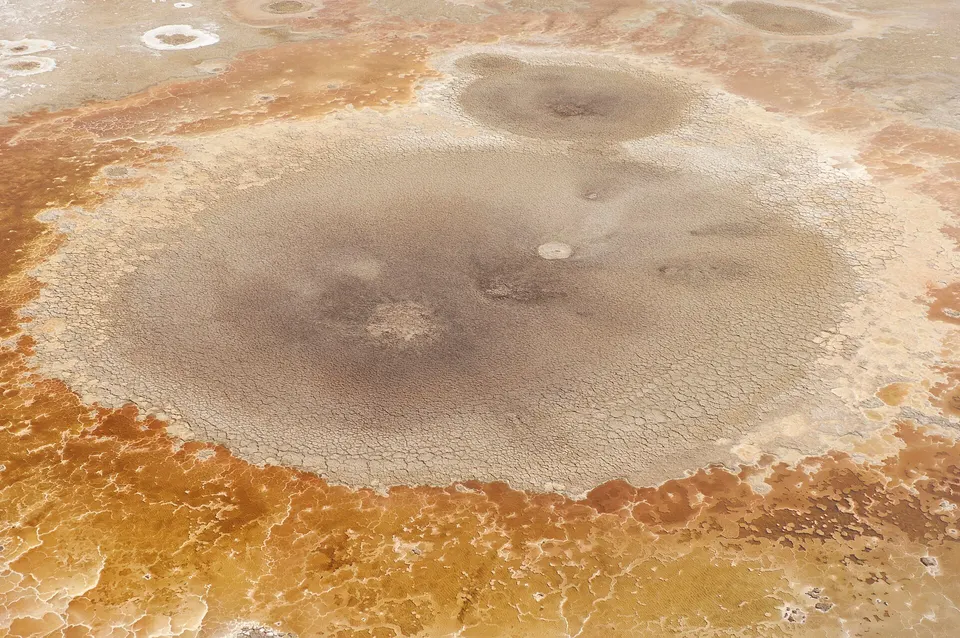
A paper in Natural Hazards and Earth System Sciences looks at how sinkhole collapses scale with size and how likely collapses beyond a given size are.
Deep Earth
Tiny pockets of trapped melt in Wuxi nephelinites are rich in iron and volatiles. Researchers say their makeup is consistent with predictions for slow seismic layers.
 Related image · NASA/JPL-Caltech/USAF
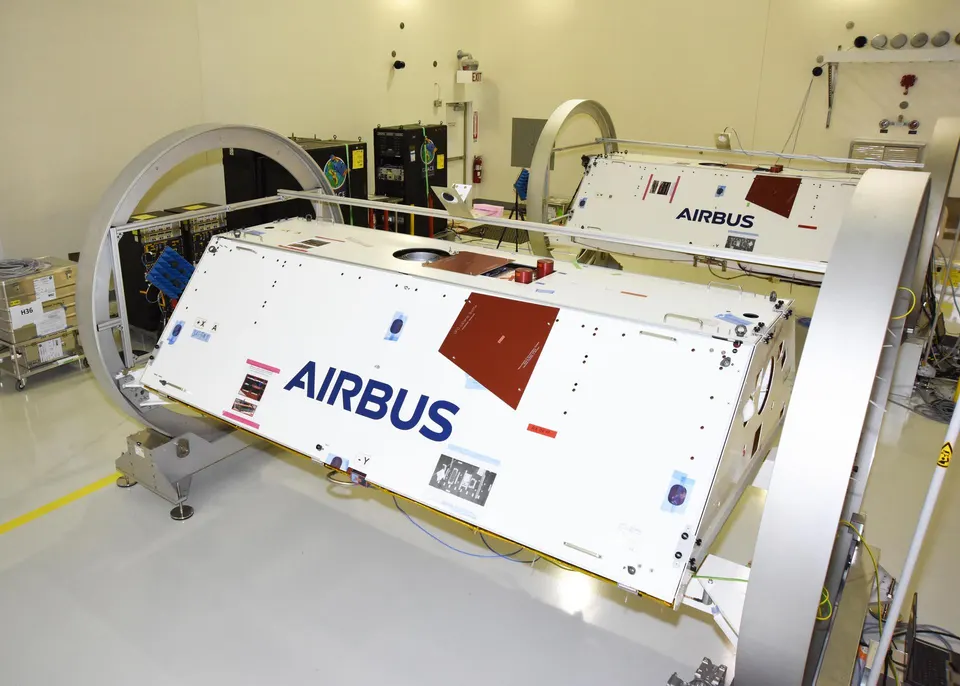
Models that use a reconstructed ice history from 1900 to 2020 match how West Antarctica's bedrock has moved and how its gravity has changed.
 Related image · NASA/JSC
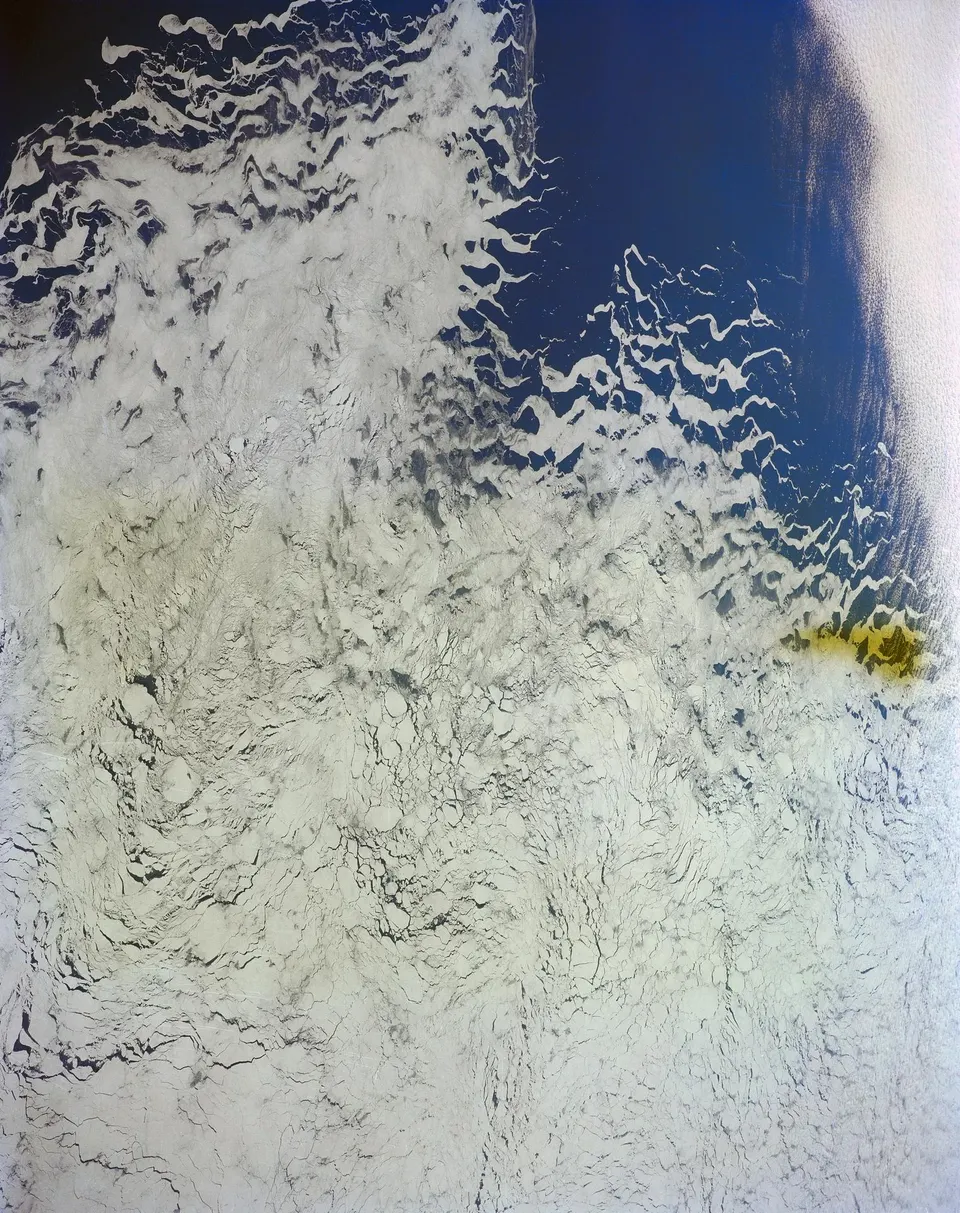
In a model of the glacial Southern Ocean, neither more sea ice nor altered currents lowered CO2 alone. Combined, they cut the time upwelled water spent at the surface.
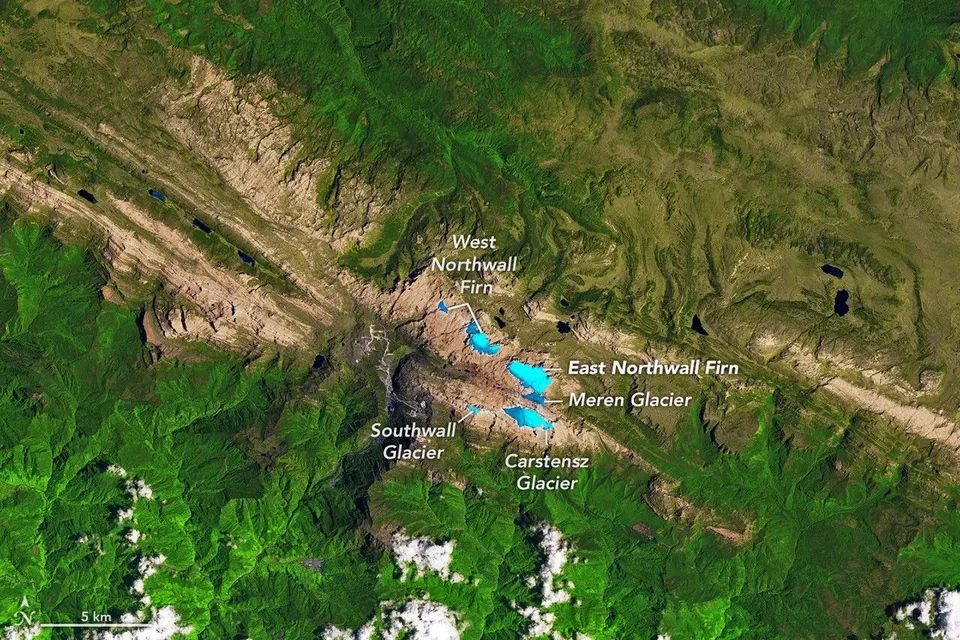 NASA Earth Observatory
Satellite and aerial data show about 2 percent of the 1988 ice area remained near the Indonesian summit by September 2025.
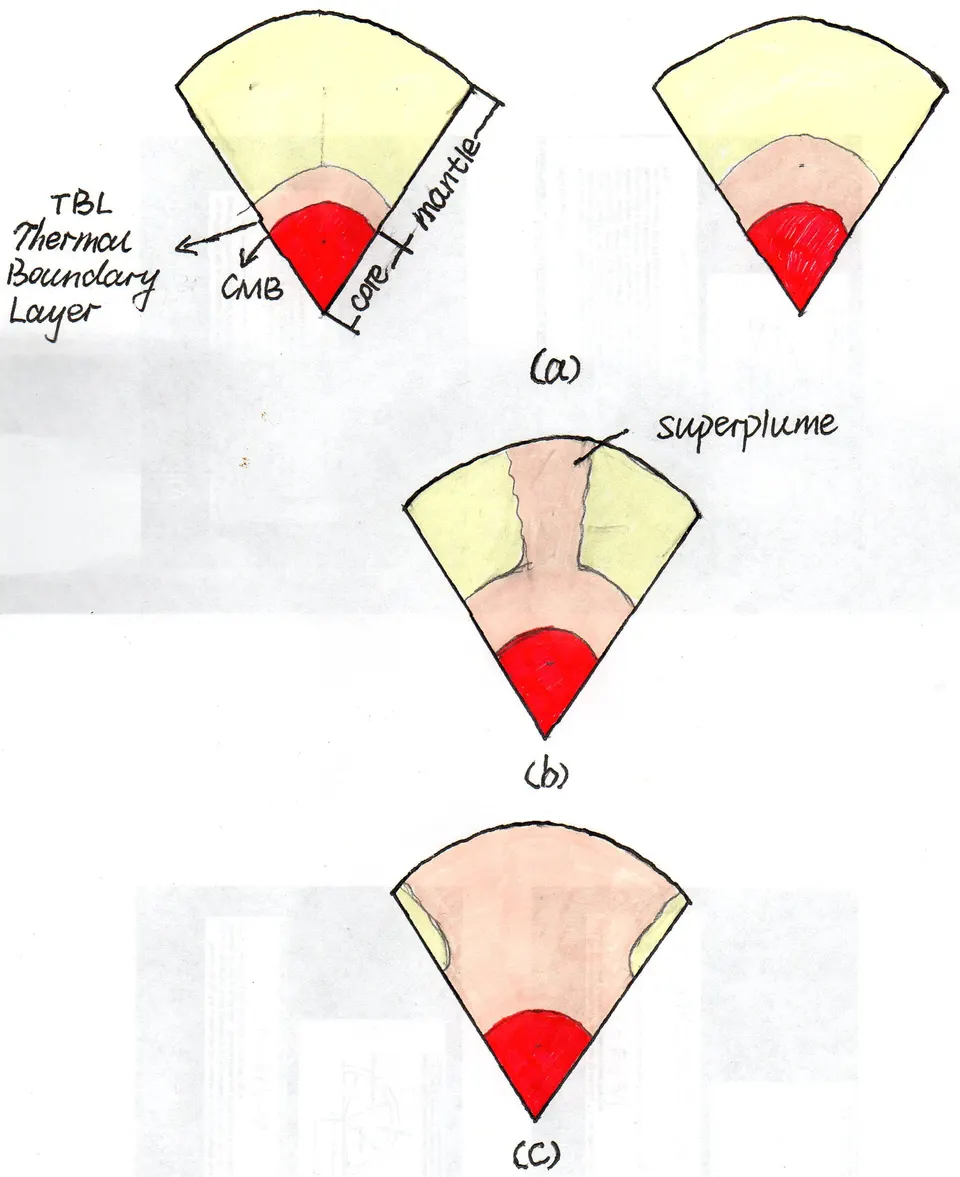 Related image · Kzhan15 / Wikimedia Commons
The study suggests that near its melting point the oxide softens and flows easily. That behavior could help explain some deep patches where seismic waves slow down.
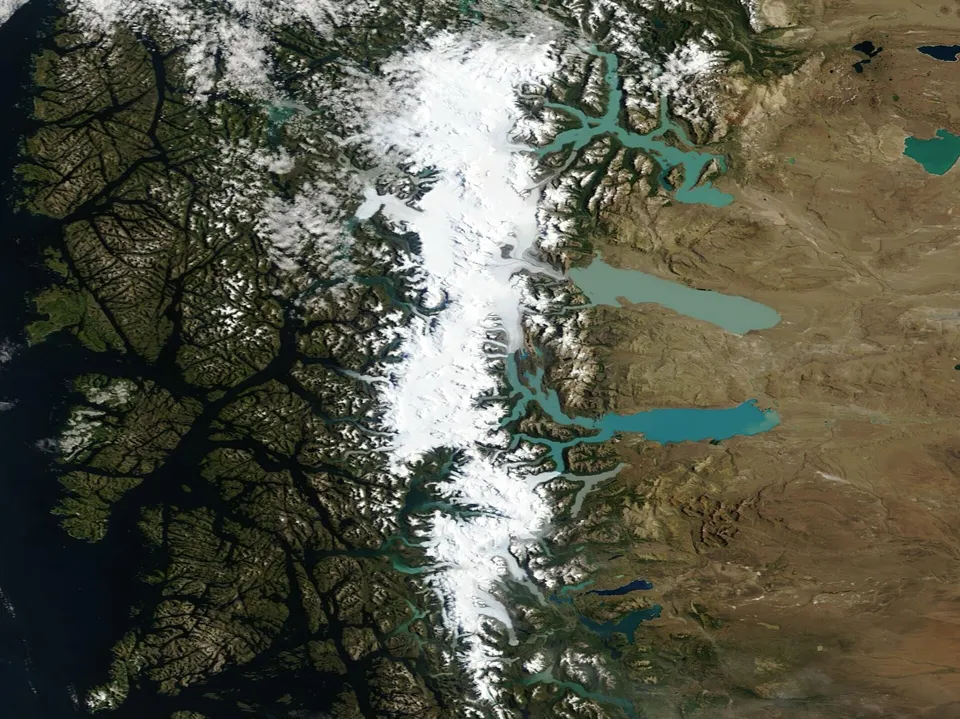 Related image · MODIS Land Rapid Response Team, NASA GSFC / Wikimedia Commons
A new paper in The Cryosphere argues that lakes pooling at the margins of shrinking ancient ice sheets had a substantial effect on how those sheets gained and lost mass at their surface.