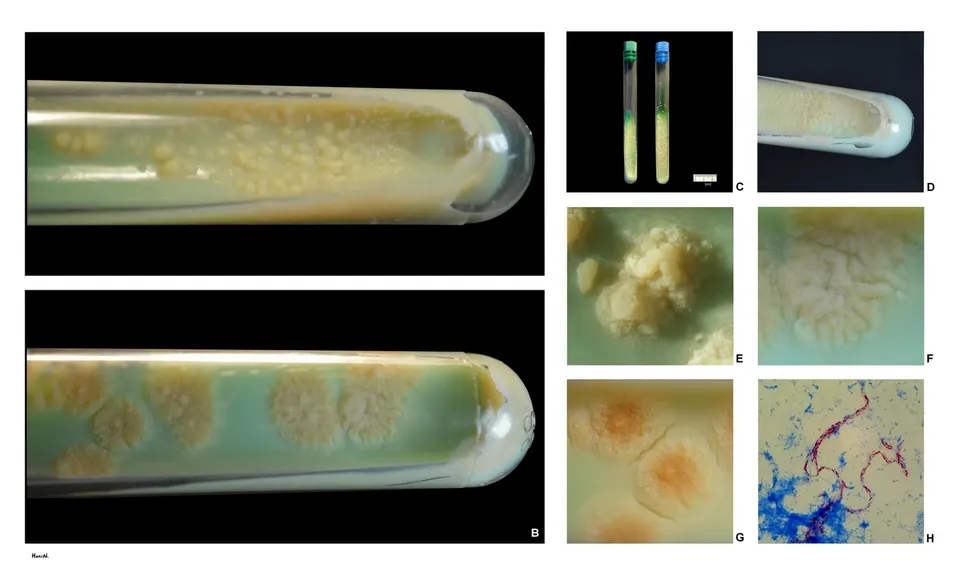
 Related image · HansN. / Wikimedia Commons
In PLOS Pathogens, researchers describe CidIVA, a membrane protein tied to lipid production, and its tuberculosis counterpart Rv1209, which bacteria needed to survive inside a host.
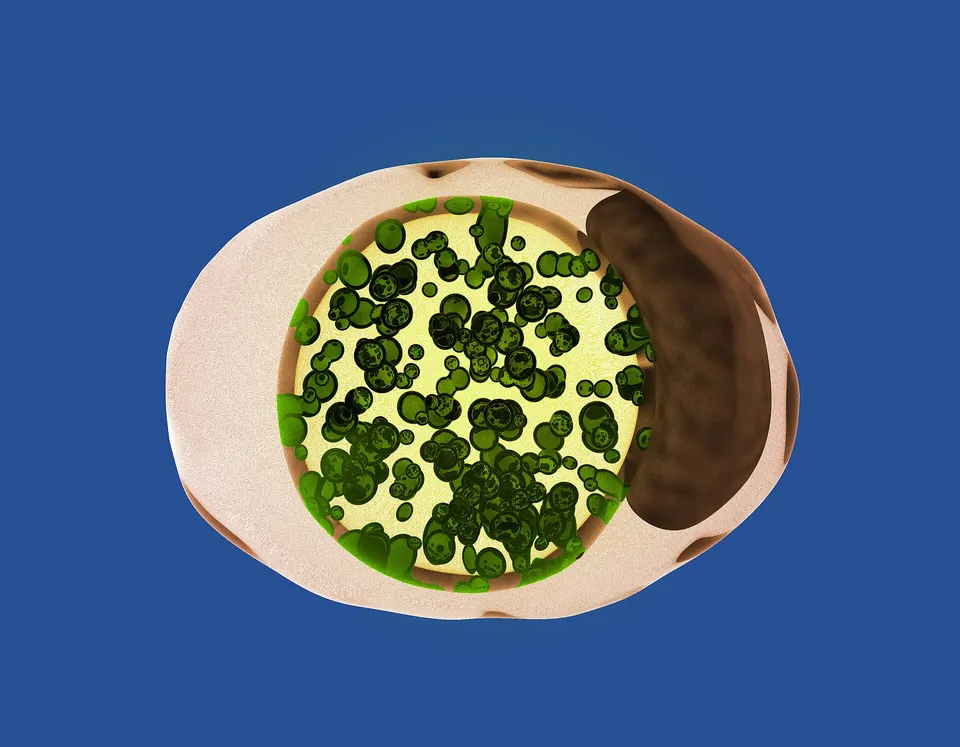 Related image · NIAID / Wikimedia Commons
Researchers report in PLOS Pathogens that the effector protein IncD, which hijacks a host lipid carrier, is required for the bacteria to multiply and to infect mice.
Brains & behavior
Brain scans point to the subiculum, part of the hippocampal formation, as a framework that ties together where and when events happen in human memory.
Genetics & genomics
Researchers put human donors' mitochondria into lab-grown cells that lacked their own mitochondrial DNA. Some variants sped up telomere loss during a burst of oxidative stress.
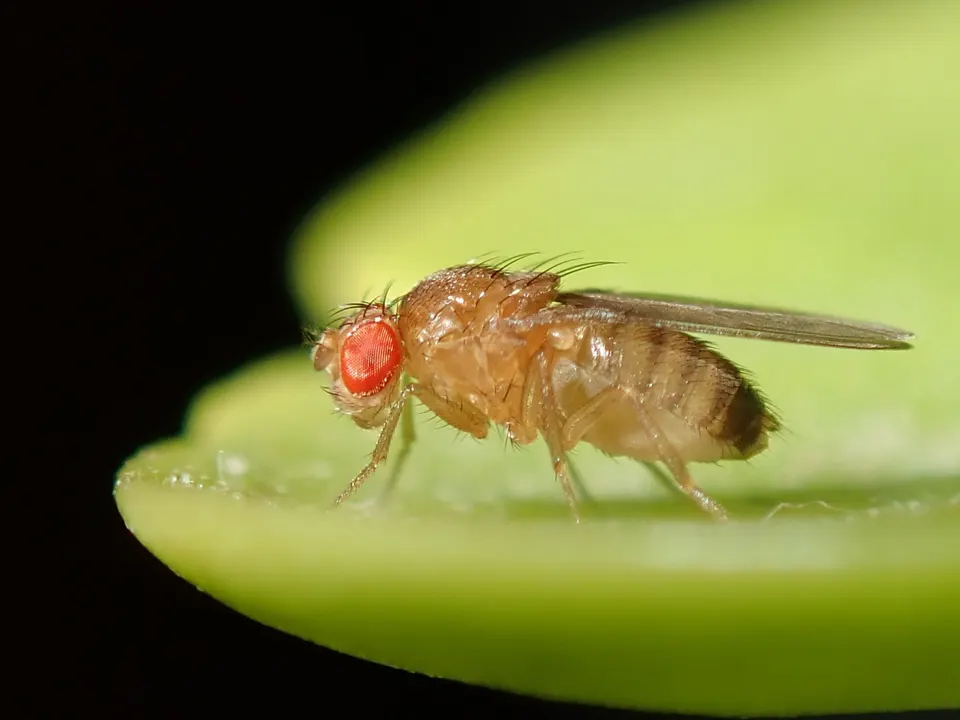 Related image · Alexis / Wikimedia Commons
The light sensor works outside normal vision, much like melanopsin in mammals, and may be an ancient step in how animals evolved non-visual light detection.
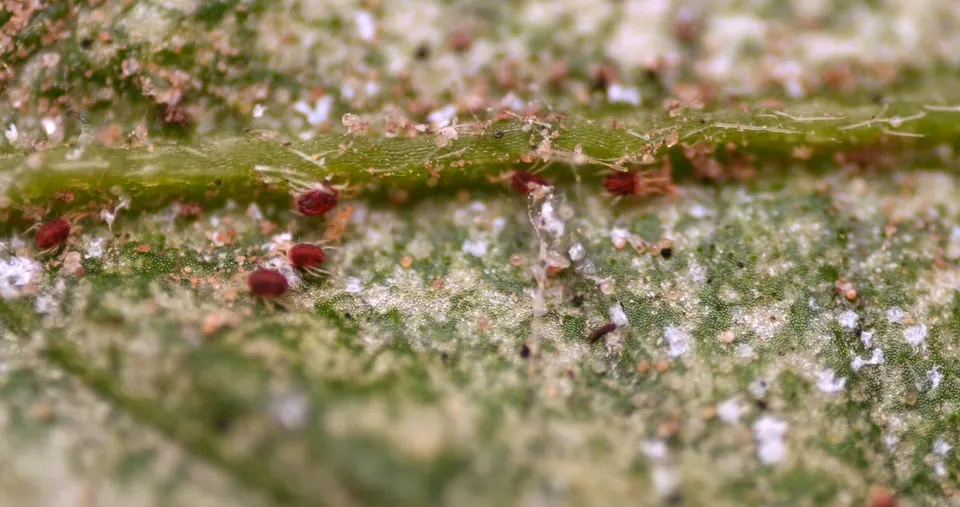 Related image · Toby Young / Wikimedia Commons
Inducible expression and two amino acid changes in an enzyme called DOG15 let tea-adapted *Tetranychus kanzawai* mites detoxify green tea catechins.
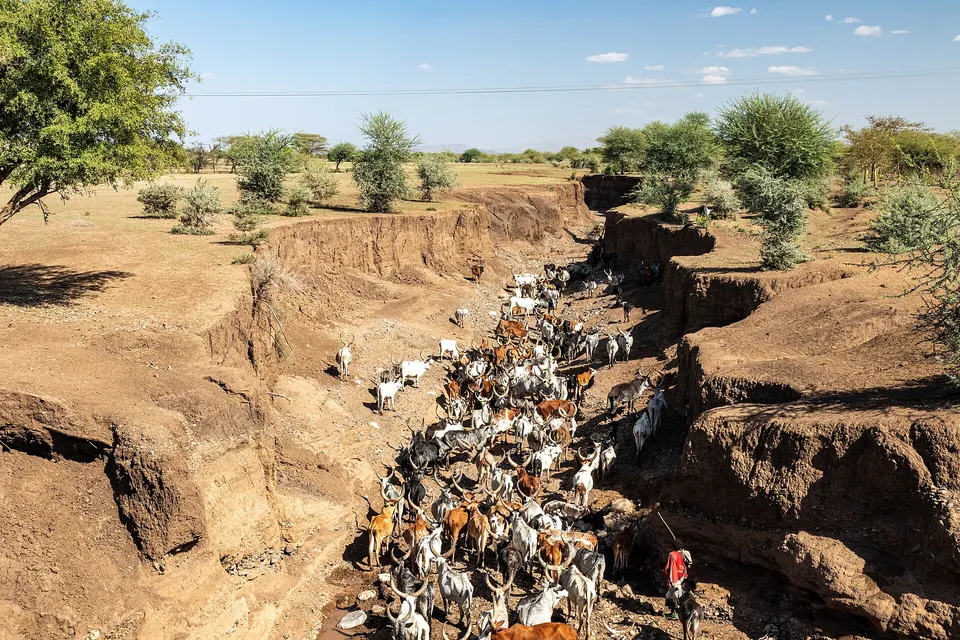 Related image · Sonjamariavienna / Wikimedia Commons
A cross-continental study in Nature Ecology & Evolution links 4,145 genetic variants to how people get their food. Immune and metabolic genes feature among the strongest signals.