 Related image · François-Xavier Coudert / Wikimedia Commons
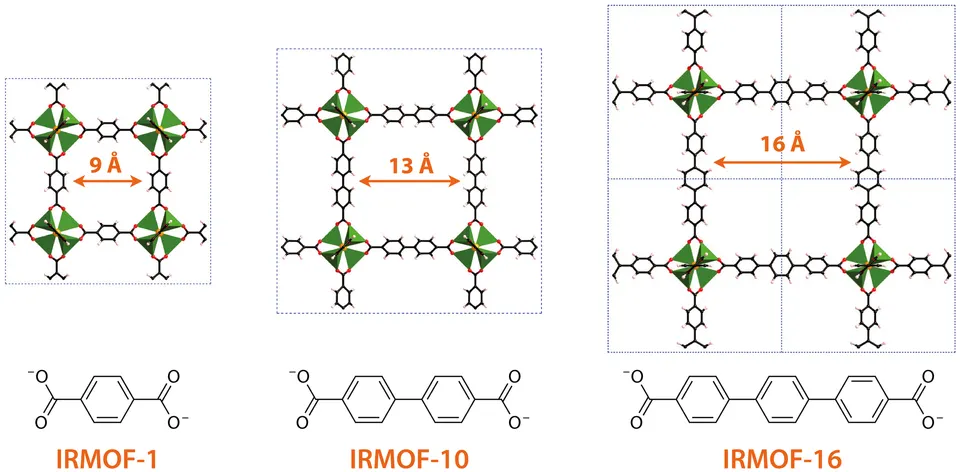
In C5-IRMOF, the loading temperature sets when trapped guests are released. The same tight pores also sort hydrogen isotopes at temperatures up to 100 K.
 Related image · Edgar181 / Wikimedia Commons
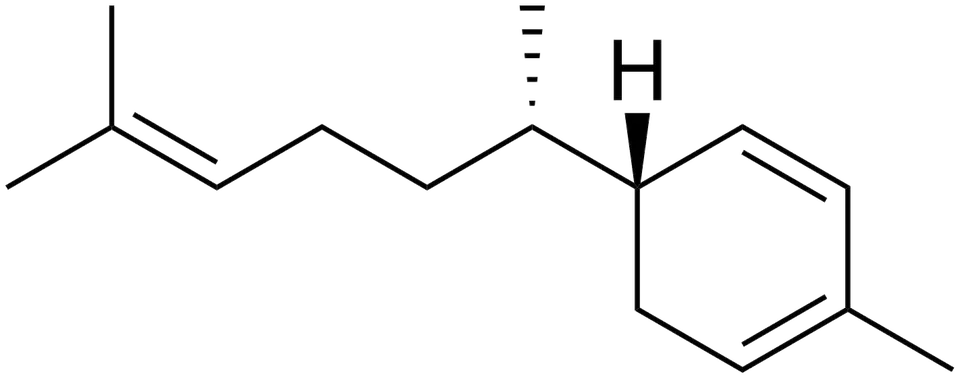
A trimmed building block fed through 30 terpene-cyclizing enzymes gave 24 new compounds. Some enzymes even added an extra five-carbon unit, which they do not do with the normal starting material.
Materials & nanoscience
A study published November 19, 2026, looks at nanoparticle retention in solid tumors. The source available to us gave only limited hints about its methods and no details of its findings.
Catalysis & energy
Surface tungsten–hydrogen bonds act as a kind of chemical valve. They stop formaldehyde from breaking down further into carbon dioxide during light-driven methane conversion.
 Related image · Britta Mayerhöfer / Wikimedia Commons
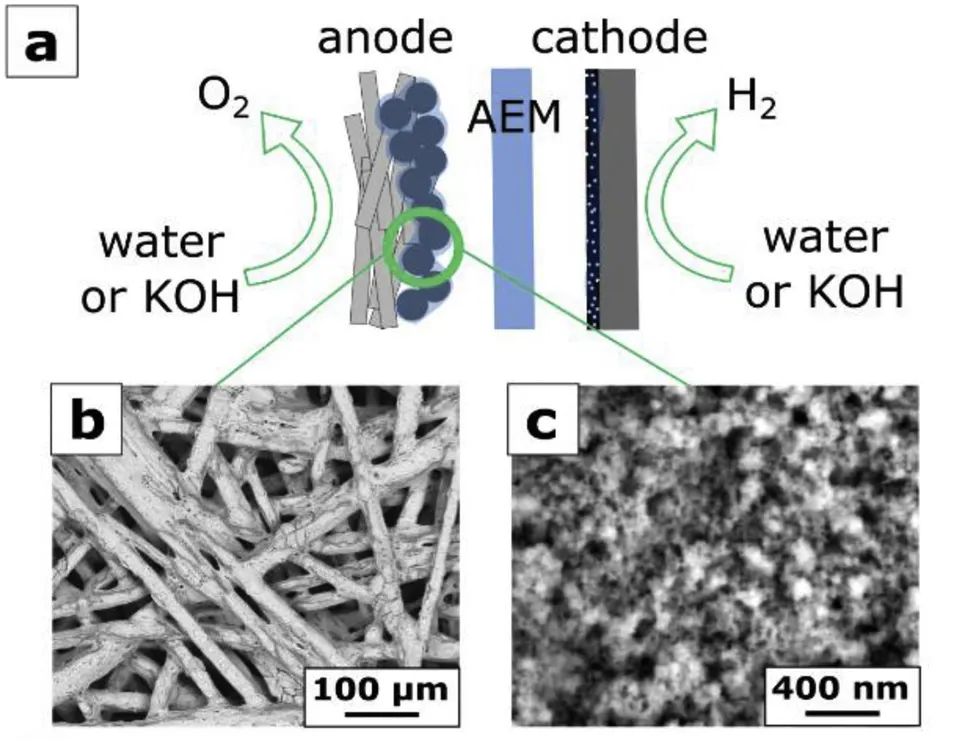
Researchers watched cobalt hydroxide nanoplates in working cells. Cobalt left the plates and coated the electrode, but iron reduced both the plates' reshaping and the cobalt redeposition.
 Nature Communications (CC BY 4.0)
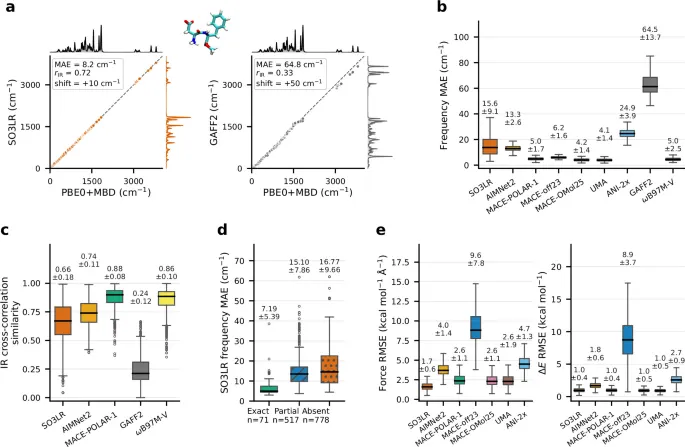
On aspartame, one AI-trained model missed reference vibration frequencies by 8.2 cm−1 on average. The classical force field it was tested against missed by 64.8 cm−1.
 Related image · Dennis Schroeder / National Renewable Energy Laboratory / Wikimedia Commons
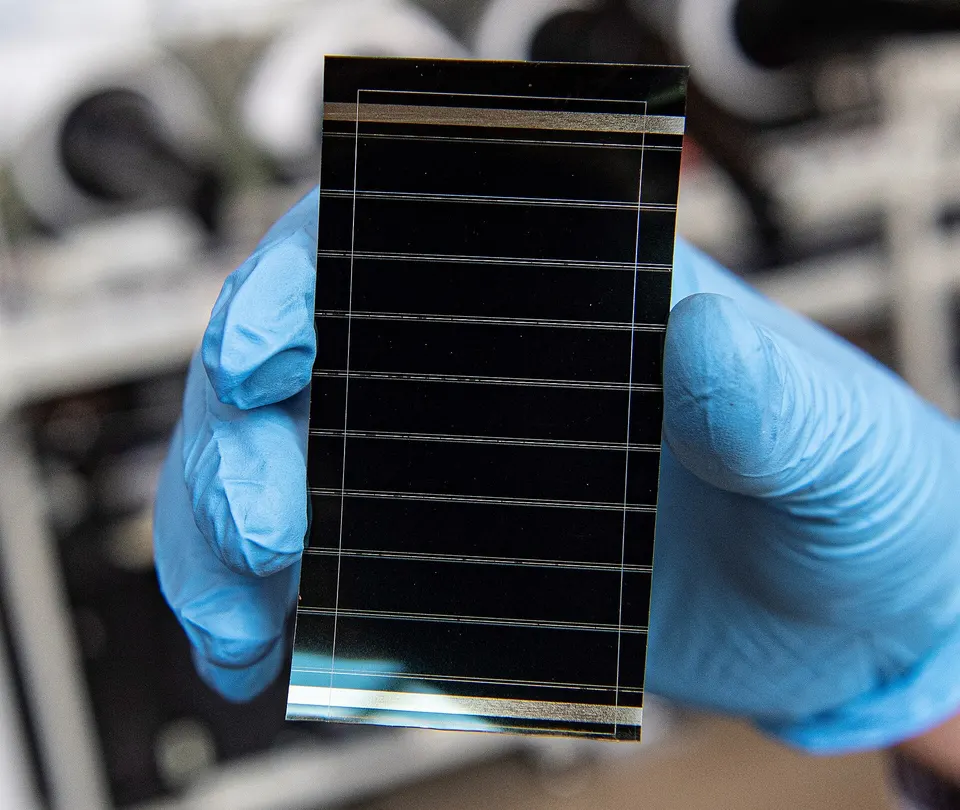
Molecules that help electrons cross from the absorber layer kept cells above 95% of starting efficiency for 2000 hours. The same approach raised perovskite–silicon tandems to 34.71%.