Key points
- Researchers made 14-nor-FPP, a terpene building block that lacks the methyl group Me14.
- Run through 20 diterpene synthases and 10 sesterterpene synthases, the analogs gave 24 new compounds in total.
- Some enzyme pairings added one more isoprene unit than expected, making C24 and C29 products.
- For certain pairings, the missing methyl opened cyclization routes to di- and sesterterpenes with unique frameworks.
Chemists have repurposed enzymes that normally make natural terpenoids so that they produce molecules nature does not. They did it by feeding the enzymes a building block missing a single methyl group. In a peer-reviewed Wiley-VCH journal, the team reports 24 new compounds, some built on carbon skeletons not seen before.
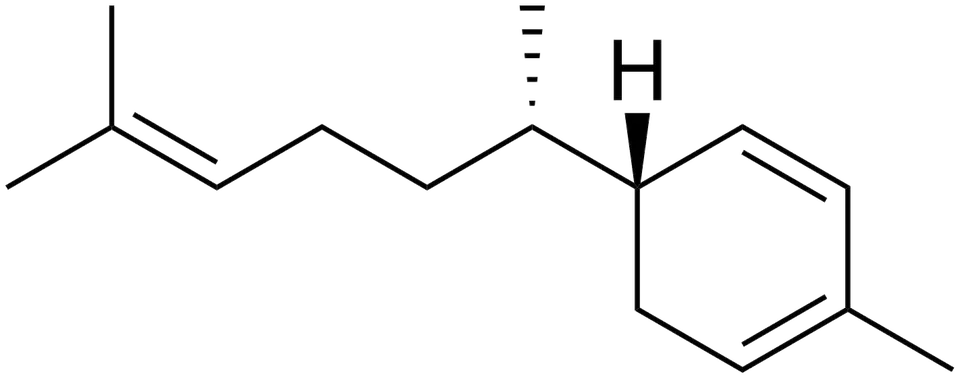
Terpenoids are a large family of natural products. Living things build them by linking five-carbon isoprene units into chains and then folding those chains into rings. The researchers synthesized 14-nor-FPP, a version of the common precursor farnesyl pyrophosphate (FPP) that lacks the methyl group called Me14. Two chain-lengthening enzymes, GGPP synthase and GFPP synthase, extended it into longer analogs. The team then passed these analogs to 20 diterpene synthases and 10 sesterterpene synthases, enzymes that cyclize the chains.
The result that surprised the authors involved chain length. With ordinary FPP, the two chain-building enzymes stop strictly at a set length. With the trimmed substrate, two pairings of GGPP synthase with a diterpene synthase produced C24 nor-sesterterpenes. One pairing of GFPP synthase with a sesterterpene synthase yielded a C29 nor-triterpene. In other words, losing one carbon allowed one more isoprene unit than expected.
In some combinations, the missing methyl changed the chemistry enough to send the reactions down new cyclization pathways. Those pathways led to di- and sesterterpenes with unique frameworks. The team probed how these reactions work with DFT calculations. They established the 3D arrangement of the products using deuterium-labeled precursors or by comparing optical rotations with related natural products.
Why it matters
The work shows that a small change to a substrate can redirect existing terpene enzymes toward non-natural skeletons and longer chains. That widens the range of terpenoid structures enzymes can make.
What we don't know yet
The new reaction mechanisms were studied with DFT calculations, which are computer models. Most enzyme-substrate pairings did not change chain length. The longer products came from only three combinations.
Terms in this story
- Terpene synthase
- An enzyme that folds a linear chain of isoprene units into the ring structures of a terpene.
- Isoprene unit
- A five-carbon building block that is repeated to make terpenes and terpenoids.
- DFT calculations
- Computer simulations based on quantum mechanics, used to model how electrons and atoms behave during a reaction.
Sources and verification
DexScience articles are produced with AI assistance and an automated fact-check against the linked sources. Spotted an error? Tell us and we will correct it openly.