Deep Earth
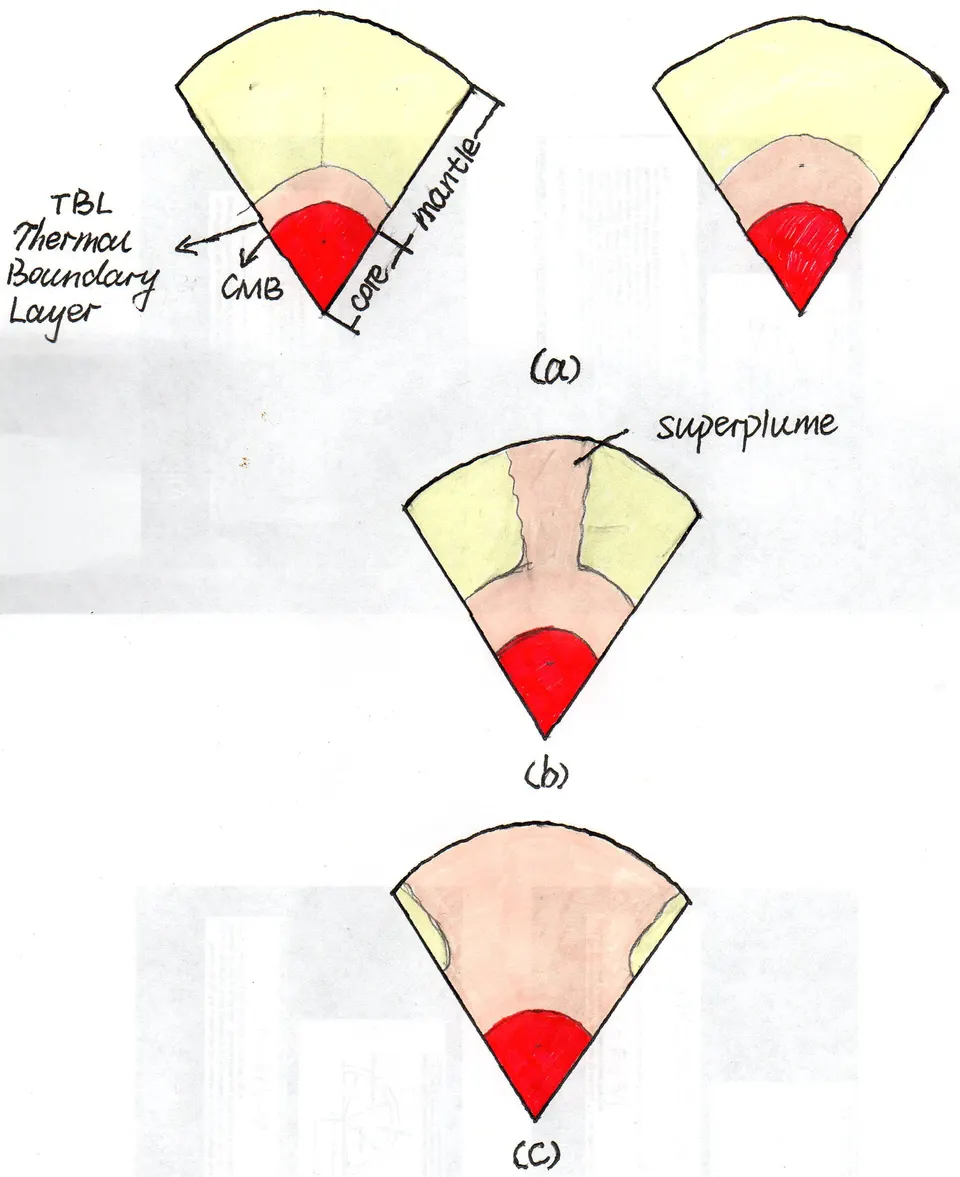
Tiny pockets of trapped melt in Wuxi nephelinites are rich in iron and volatiles. Researchers say their makeup is consistent with predictions for slow seismic layers.
 Related image · NASA/JPL-Caltech/USAF
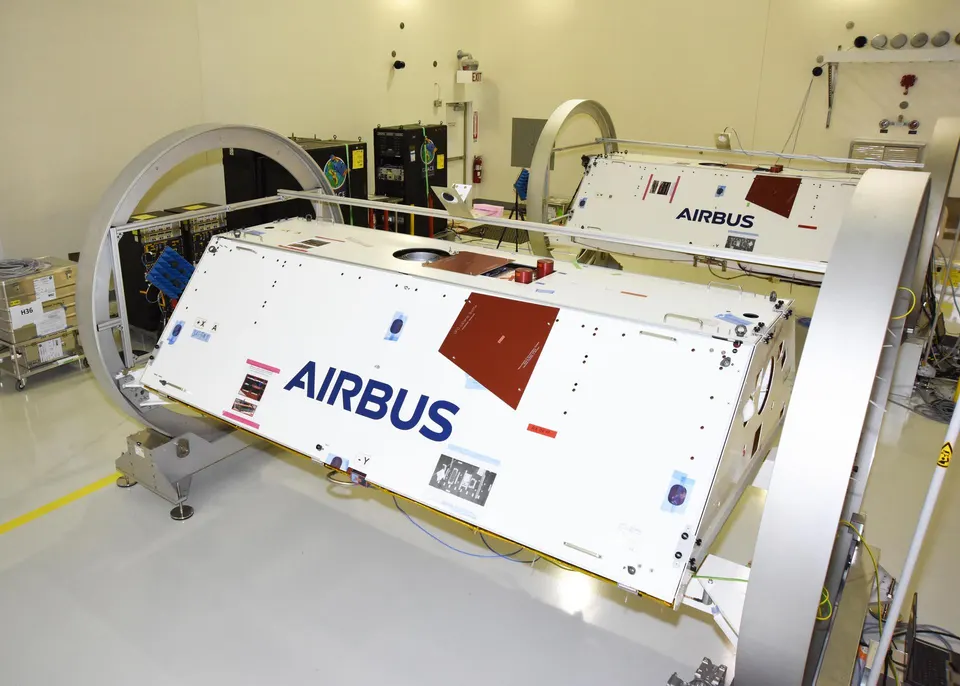
Models that use a reconstructed ice history from 1900 to 2020 match how West Antarctica's bedrock has moved and how its gravity has changed.
 Related image · Kzhan15 / Wikimedia Commons
The study suggests that near its melting point the oxide softens and flows easily. That behavior could help explain some deep patches where seismic waves slow down.