Key points
- Researchers built models of Earth's response to ice loss using 3D mantle structure and Antarctic ice history from 1900 to 2020.
- The models match crustal motion recorded by GNSS stations and gravity changes measured by GRACE in West Antarctica.
- The mantle structure in the models includes a weak asthenosphere and a viscosity that depends on temperature.
- The same mantle description is also consistent with mantle convection over million-year timescales, the study reports.
Researchers have built models of the mantle and ice history under West Antarctica that match geodetic measurements of the region. They report in Science that one geodynamically consistent, three-dimensional description of the mantle accounts for both the bedrock motion and the gravity changes measured there. The same description is also consistent with the far longer timescales of mantle flow.
West Antarctica has been losing ice quickly since the 1990s. Geodetic surveys have recorded the ice surface dropping, the bedrock beneath it lifting and gravity in the region decreasing. The researchers attribute the ground motion and gravity shifts to glacial isostatic adjustment. In this process, Earth's surface and interior slowly reshape themselves as ice loads change, and the response depends on the planet's viscoelastic properties and on how the ice was lost.
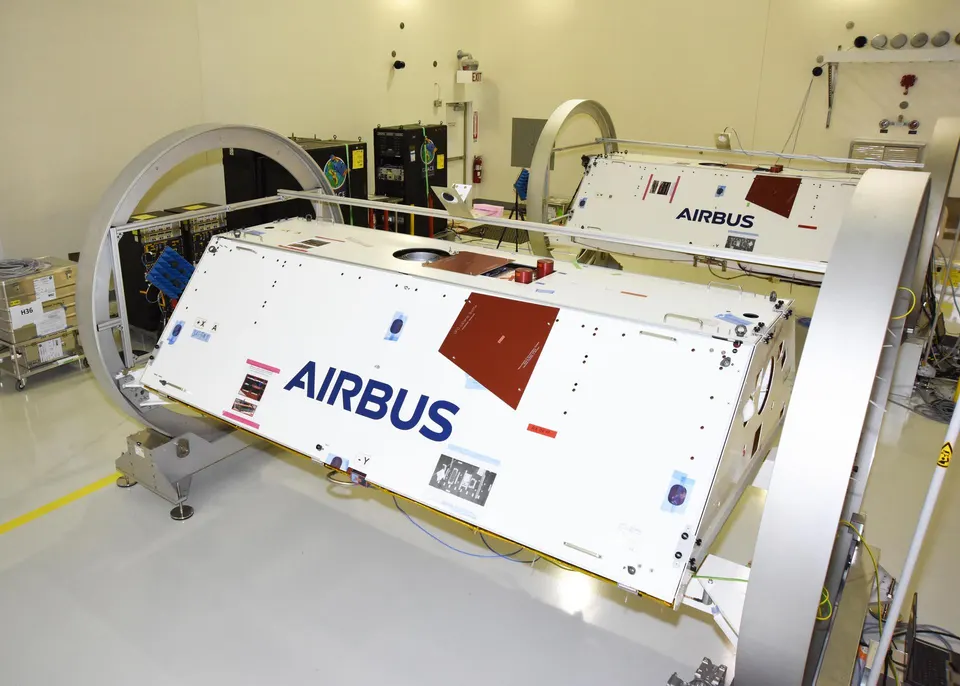
The team combined 3D mantle structure with a reconstructed history of Antarctic ice from 1900 to 2020. The resulting models reproduce both the crustal movements tracked by Global Navigation Satellite System stations and the gravity changes seen by the Gravity Recovery and Climate Experiment. The mantle in the models includes two key features: a weak asthenosphere, which is a soft layer of mantle lying under Earth's rigid outer shell, and a viscosity that changes with temperature.
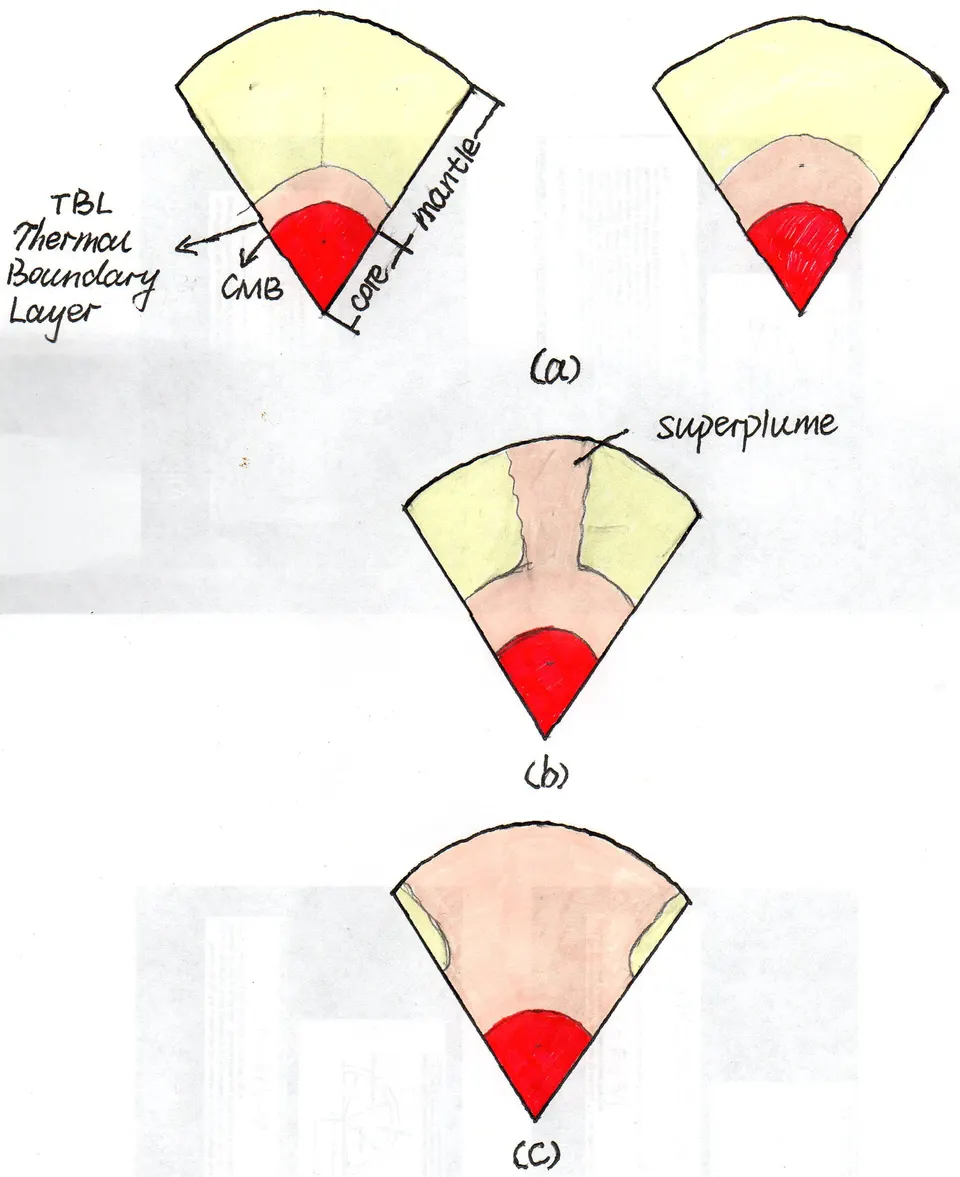
According to the authors, that mantle behavior is also consistent with mantle convection, the slow churning of rock inside Earth over millions of years. So the same description of the mantle is consistent with both decades-long change in West Antarctica and mantle convection over millions of years.
Why it matters
The study shows that one geodynamically consistent description of the mantle can account for today's fast ground and gravity changes in West Antarctica while remaining consistent with mantle flow over millions of years.
Terms in this story
- Glacial isostatic adjustment
- The ongoing deformation of Earth's surface and interior, along with the resulting gravity changes, as ice sheets grow or shrink.
- Asthenosphere
- A relatively weak, slowly flowing layer of the upper mantle beneath Earth's rigid outer shell.
- Viscosity
- A measure of how strongly a material resists flowing; in the mantle, lower viscosity means rock deforms more readily.
Sources and verification
DexScience articles are produced with AI assistance and an automated fact-check against the linked sources. Spotted an error? Tell us and we will correct it openly.