Key points
- NASA Johnson Space Center researchers analyzed 12 dust particles collected from Earth's stratosphere by the ER-2 aircraft.
- Many solar energetic particle tracks in the grains helped link them to the Kuiper Belt.
- Minerals formed by early water–dust interactions show the water was enriched in heavier oxygen isotopes.
- Because such signatures are rare in meteorites, giant planets may have limited mixing between outer and inner regions.
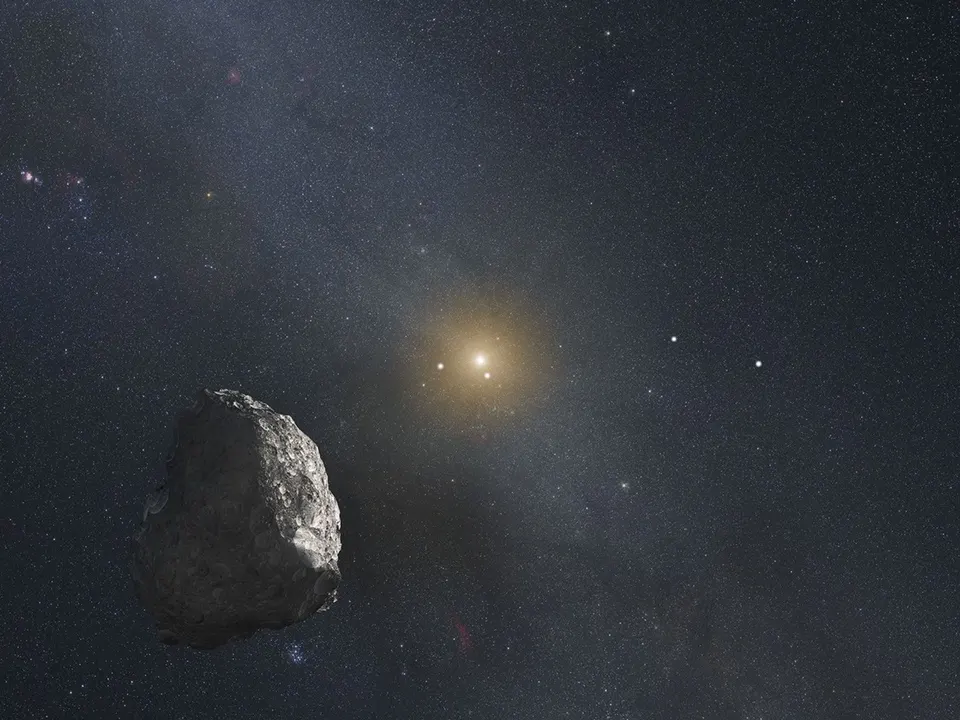
A dozen specks of dust gathered high above Earth carry chemical traces of an ancient store of ice in the Kuiper Belt, the far-off region of the solar system beyond Neptune, according to researchers at NASA's Johnson Space Center in Houston. NASA says the result offers fresh insight into how materials were spread across the young solar system and how they fed into the building of planets.
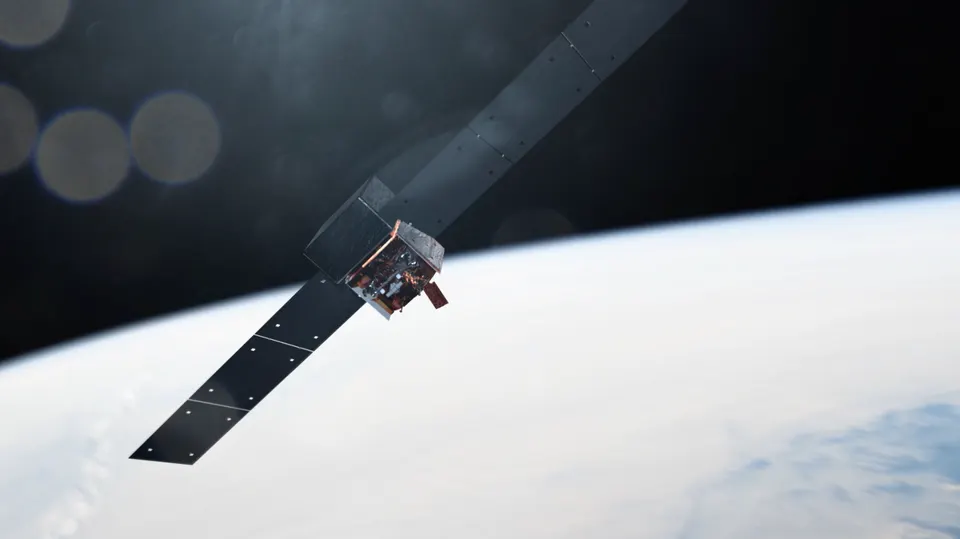
The team studied 12 particles that the agency's ER-2 high-altitude research aircraft swept up from Earth's stratosphere. The grains were packed with solar energetic particle tracks, which are trails of damage left by fast particles from the Sun, and these helped the scientists tie the dust to the Kuiper Belt. Working with colleagues at the University of California, Los Angeles (UCLA), they examined the minerals with advanced electron microscopes at NASA and measured oxygen isotopes with an ion microprobe at UCLA.
Inside the dust, the researchers found minerals created when water reacted with dust grains early in the solar system's history. The chemistry of those minerals indicates that the ancient water held extra amounts of heavier oxygen isotopes. Scientists have suspected for decades that ice like this existed in the outer solar system, but earlier hints from meteorites and from material brought back from carbon-rich asteroids were limited.
Measurements from NASA's Genesis mission give researchers a reference point for comparing oxygen isotopes. Because similar signatures turn up so rarely in meteorites, NASA says, giant planets may have restricted how much material from the outer solar system mixed into the inner one.
Why it matters
According to NASA, the findings help show how materials from different parts of the early solar system contributed to forming planets, and they hint that giant planets may have kept outer and inner material apart.
What we don't know yet
The results rest on 12 dust particles and come from a NASA announcement that does not name a peer-reviewed publication. The idea that giant planets limited mixing is presented as a possibility, not a firm conclusion.
Terms in this story
- Kuiper Belt
- A distant region of icy bodies in the solar system beyond the orbit of Neptune.
- Oxygen isotopes
- Forms of oxygen atoms that differ in mass because they have different numbers of neutrons.
- Ion microprobe
- An instrument that fires a focused beam of ions at a tiny sample to measure the isotopes it contains.
Sources and verification
DexScience articles are produced with AI assistance and an automated fact-check against the linked sources. Spotted an error? Tell us and we will correct it openly.