Key points
- South China Sea cyclones reaching Category 3–5 intensity have increased significantly, with more of them in the sea's northern part.
- A growing share of the sea's intense storms are western North Pacific cyclones that enter through the Luzon Strait.
- Storms on the Luzon Strait route lose less strength to land than those crossing the Philippine archipelago.
- Reduced ocean cooling and better ocean and air conditions now favor intense storms in the northern sea.
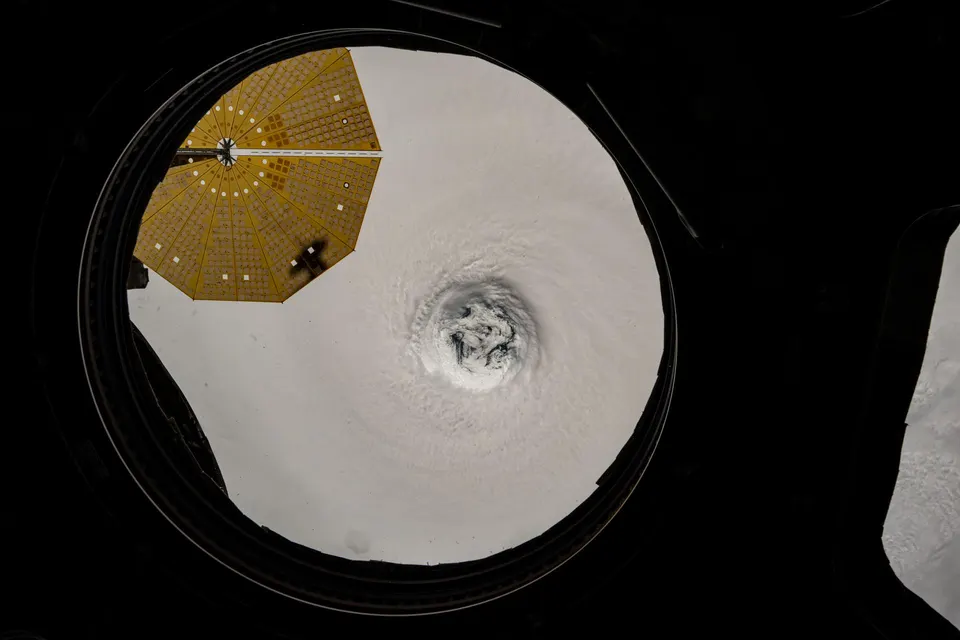
Strong tropical cyclones are turning up more often over the northern South China Sea, according to a study published in Environmental Research Letters. The researchers report a significant rise in the number of storms in the sea that reach Category 3 to 5 intensity, and say more of them are occurring in the sea's northern reaches.
The change is primarily linked, the team says, to the route the storms take. A growing share of the sea's intense storms are cyclones from the western North Pacific that enter through the Luzon Strait. Storms on the Luzon Strait path lose less strength to land than those that cut across the Philippine islands, so they enter the sea with more intensity left to build on.
Conditions after the storms arrive have also shifted in their favor. A cyclone normally churns up cooler water from deeper down, which can sap its energy. The authors find this cooling has weakened, while both ocean and atmospheric conditions have become more supportive, making the northern part of the sea a friendlier place for intense storms.
The South China Sea is among the world's most active marginal seas for tropical cyclones, and its storms threaten coastlines in southern China, the Philippines and Vietnam. The researchers note that the causes of long-term changes in intense storms there had been unclear. Their results point to the role of interactions among ocean, land and atmosphere in the region in reshaping where cyclones hit peak strength.
Why it matters
The South China Sea is a key source of cyclone hazards for the coasts of southern China, the Philippines and Vietnam. The study helps explain long-term changes in where intense storms develop there, which the researchers say had been unclear.
What we don't know yet
The published summary does not give the period studied. The authors describe the shift in storm routes as linked to the rise in intense storms, and frame the change in terms of regional interactions among ocean, land and atmosphere.
Terms in this story
- Tropical cyclone
- A rotating storm system that forms over warm tropical oceans, called a typhoon in the western North Pacific.
- Category 3–5
- The upper tiers of a common cyclone intensity scale, used for the strongest and most damaging storms.
- Marginal sea
- A sea partly enclosed by land or islands that sits at the edge of a larger ocean.
Sources and verification
DexScience articles are produced with AI assistance and an automated fact-check against the linked sources. Spotted an error? Tell us and we will correct it openly.