Key points
- A Nature Astronomy study reports lower central dark matter densities in nearby galaxies than simulations predict.
- The researchers estimated stellar, dark matter and total masses for 136 galaxies.
- Stellar data came from the MaNGA and CALIFA galaxy surveys.
- Hydrogen gas measurements included new FAST observations from a program led by Ling Zhu.
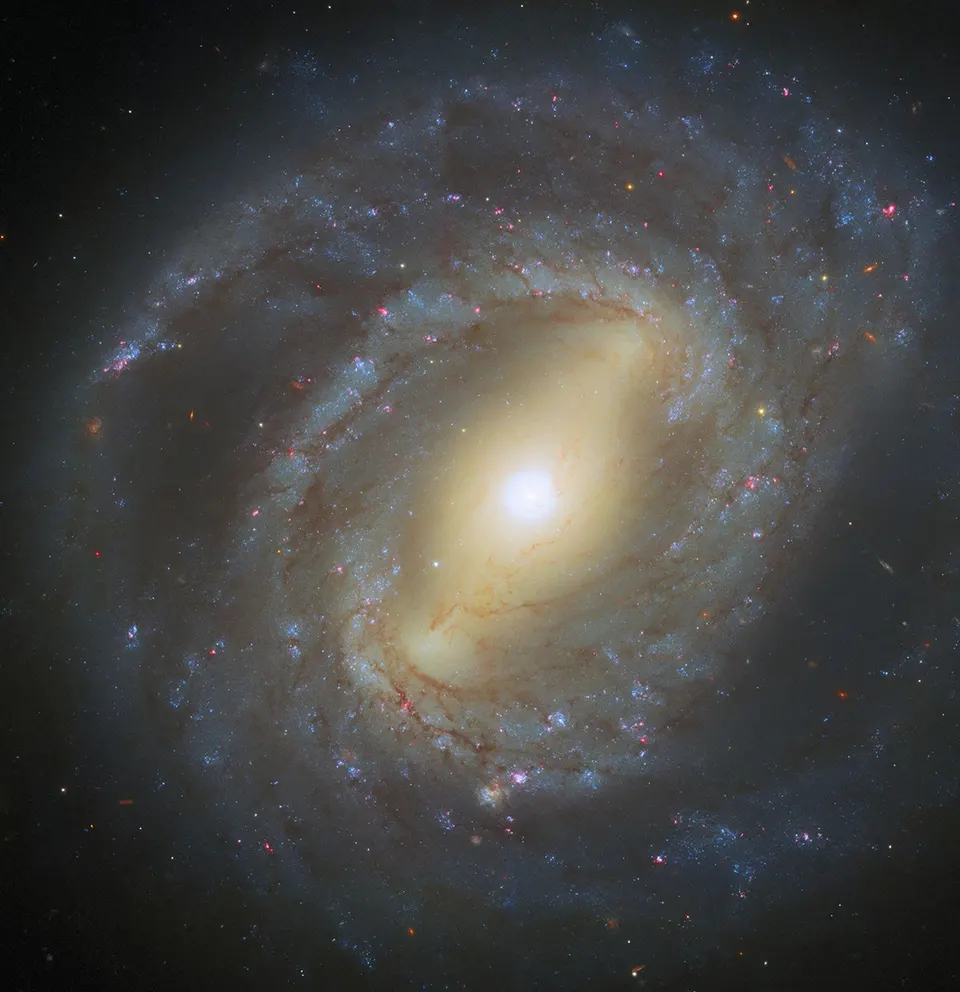
The centers of nearby galaxies appear to contain less dark matter than simulations predict they should. That is the main finding of a study of 136 galaxies published in Nature Astronomy on November 26, 2026. It points to a gap between what astronomers see and what their models predict.
Dark matter is an unseen form of matter that astronomers detect only through the pull of its gravity on stars and gas. For each of the 136 galaxies, the team estimated three quantities: the mass in stars, the mass in dark matter and the total mass. When they compared the dark matter in the galaxies' inner regions with simulation predictions, the observed central densities came out lower.
The work draws on several existing datasets. Stellar data came from two galaxy surveys: MaNGA, whose data sit in the Sloan Digital Sky Survey archive, and CALIFA. The researchers used stellar population products from both surveys.
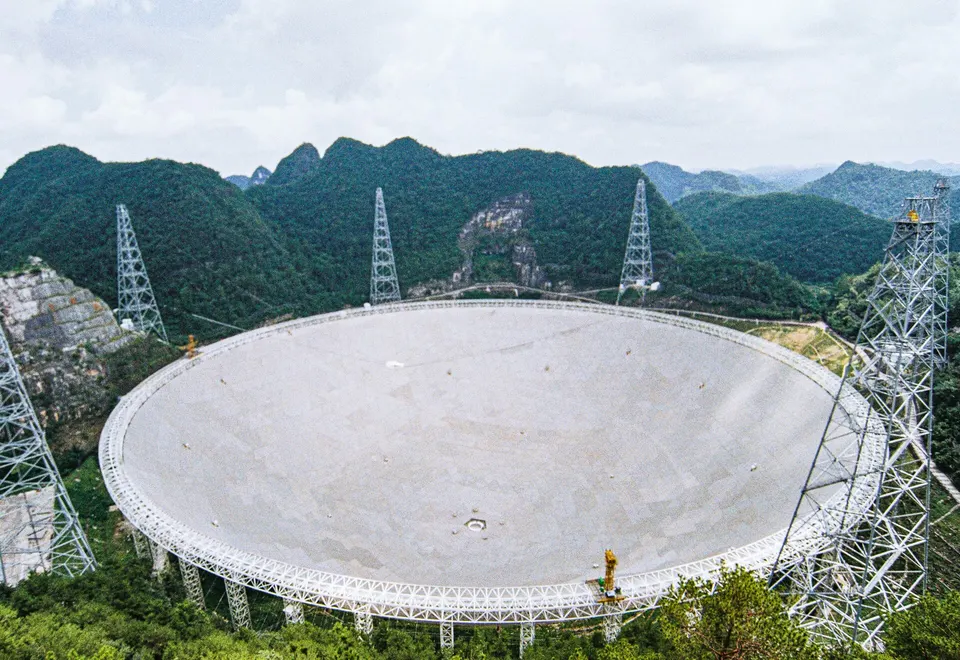
The team also used hydrogen gas measurements. These were integrated spectra of neutral hydrogen, labeled H I by astronomers, drawn from the HI-MaNGA survey and from archived observations with single-dish radio telescopes. Neutral hydrogen gives off faint radio waves, so it lets astronomers trace gas in galaxies. The team added new observations with the FAST telescope from an observing program led by Ling Zhu. The source material available to DexScience lists the datasets used but does not describe exactly how the stellar and gas measurements were combined.
Why it matters
The study reports a mismatch between the measured central dark matter in 136 nearby galaxies and the amounts simulations predict, a test of how well current models describe galaxies.
What we don't know yet
The source material available to DexScience gives the study's headline finding and data sources, but not the size of the discrepancy, which simulations were compared, how the measurements were combined or what might explain the gap. Readers should look at the full paper for those details.
Terms in this story
- Dark matter
- Matter that gives off no light and is detected only by the pull of its gravity on visible stars and gas.
- Neutral hydrogen (H I)
- Hydrogen atoms that still hold their electron, which give off faint radio waves astronomers can use to track gas in galaxies.
- Stellar population
- The mix of ages and compositions of a galaxy's stars, which astronomers use to estimate how much mass the stars contain.
Sources and verification
DexScience articles are produced with AI assistance and an automated fact-check against the linked sources. Spotted an error? Tell us and we will correct it openly.