Key points
- On Dec. 3, Europa Clipper will pass between roughly 1,950 and 2,133 miles (3,140 and 3,450 kilometers) from Earth.
- Closest approach comes at 3:14 p.m. EST, west of Africa, according to NASA.
- All nine science instruments will be on and collecting data, letting teams calibrate them against known Earth data.
- The spacecraft is scheduled to begin orbiting Jupiter in April 2030.
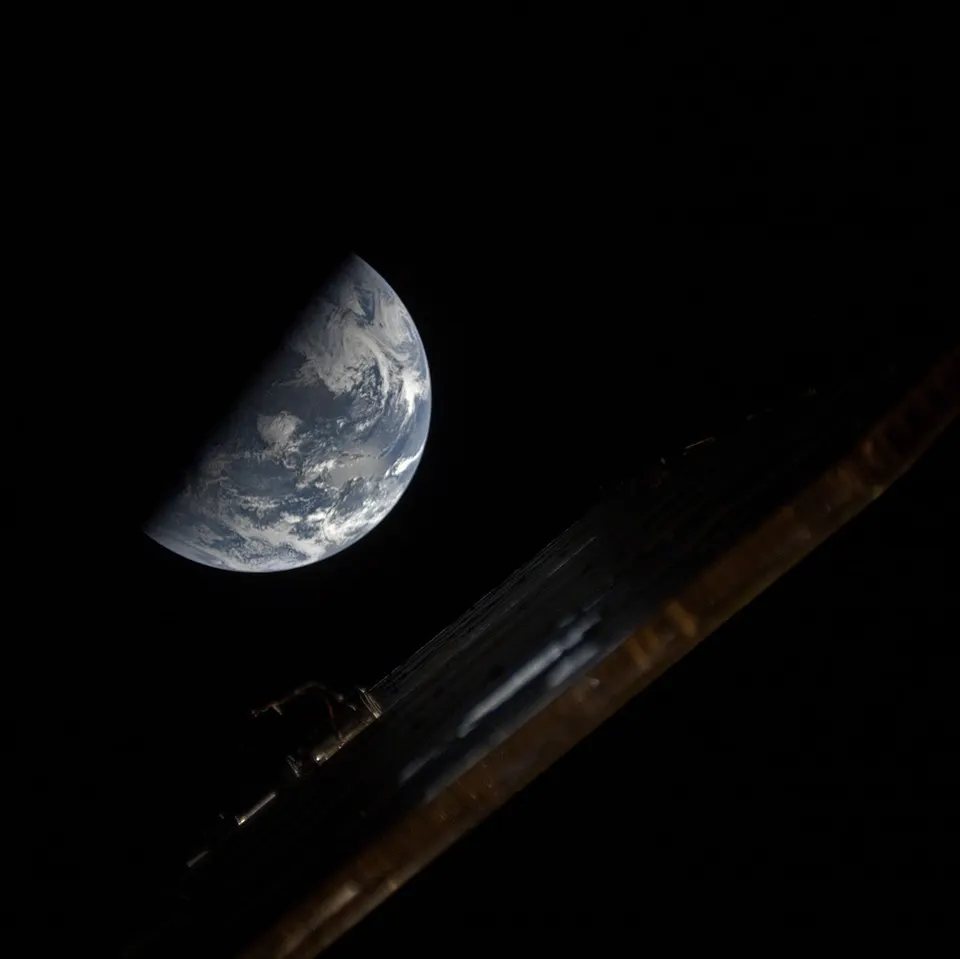
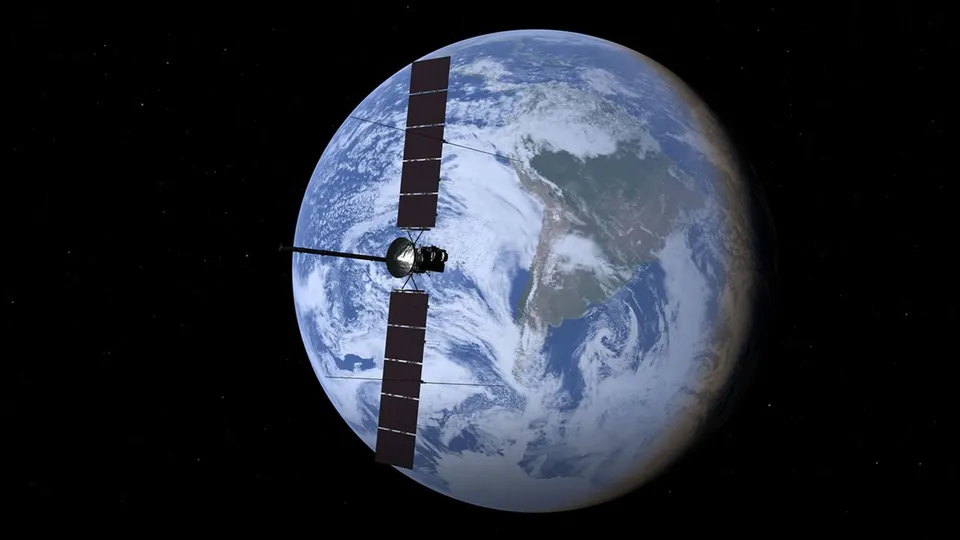
On Thursday, Dec. 3, NASA's Europa Clipper will sweep past our planet at a distance of between roughly 1,950 and 2,133 miles (3,140 and 3,450 kilometers), using Earth's gravity to speed up on its way to Jupiter, the agency says. Closest approach comes at 3:14 p.m. EST, west of Africa. The flyby saves propellant and gives scientists a chance to test the spacecraft's nine instruments on a familiar target.
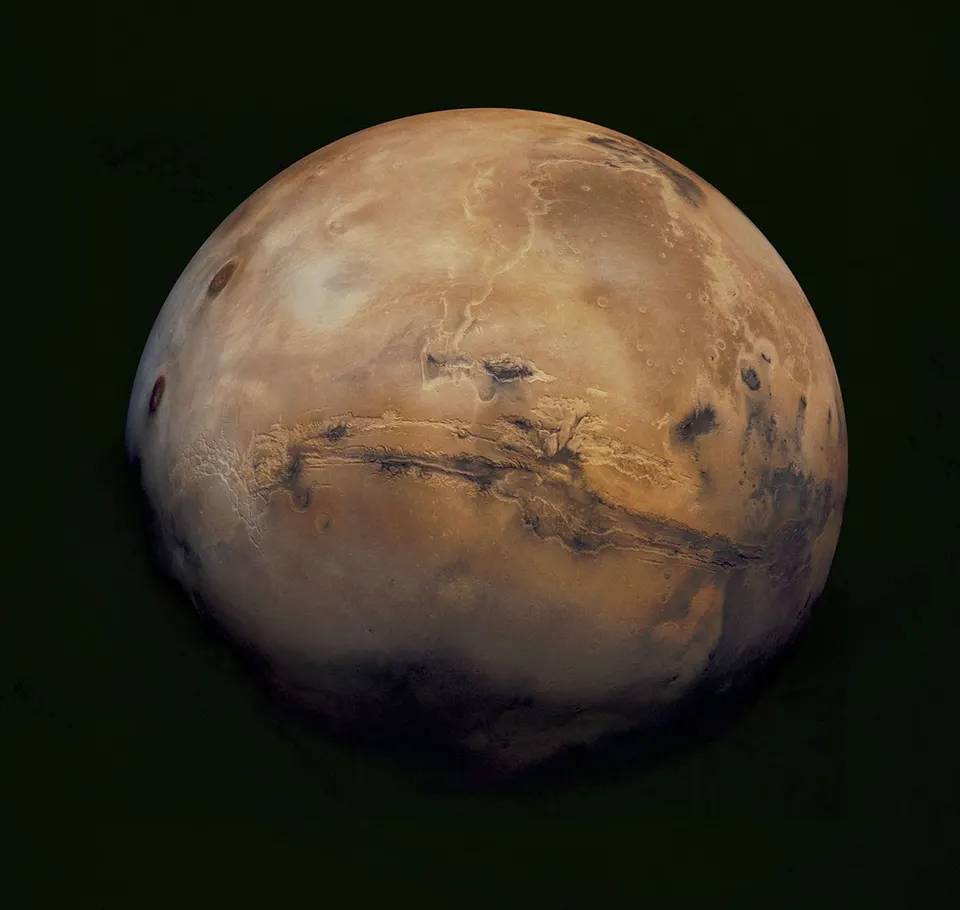
Known as a gravity assist, the maneuver borrows some of a planet's orbital momentum to alter a spacecraft's speed and path. The 12,800-pound (6,000-kilogram) orbiter, which NASA calls the largest spacecraft it has sent into deep space, used Mars in March 2025, passing 550 miles (884 kilometers) above the surface to slow down and reshape its orbit around the Sun. Skywatchers near the flight path, notably in southern Europe and Africa, should be able to see it with relatively large hobby telescopes.
Teams will check flyby readings against existing Earth data and fine-tune instruments as needed. Robert Pappalardo, the mission's project scientist at NASA's Jet Propulsion Laboratory, says the pass will allow an absolute calibration of the magnetometer, which aims to confirm the ocean believed to lie under Europa's ice. The E-THEMIS infrared imager will scan Earth every eight hours during the approach.
Europa Clipper is due to start orbiting Jupiter in April 2030, using the moon Ganymede's gravity to slow down enough to be captured. Afterward, its flybys of Europa will gauge the thickness of the ice shell, study the moon's makeup and geology, and probe whether its hidden ocean holds the ingredients for life.
Why it matters
The Earth flyby gives Europa Clipper a propellant-saving push toward Jupiter and a rehearsal for the science operations it will carry out at Europa, a moon whose ocean may hold the ingredients for life.
What we don't know yet
The flyby is still ahead. Beyond the gravity boost, its science role is to calibrate the instruments and give the team practice, not to deliver new findings about Europa, which will have to wait until the spacecraft reaches Jupiter in 2030.
Terms in this story
- Gravity assist
- A flyby that uses a planet's or moon's gravity and orbital motion to change a spacecraft's speed and direction without burning fuel.
- Magnetometer
- An instrument that measures the strength and direction of magnetic fields.
- Calibration
- Checking an instrument's readings against known values so its measurements can be trusted.
Sources and verification
- NASA’s Europa Clipper Zooming by Earth on Way to Jupiter’s Icy Moon - NASA Science
- NASA’s Europa Clipper Zooming by Earth on Way to Jupiter’s Icy Moon
DexScience articles are produced with AI assistance and an automated fact-check against the linked sources. Spotted an error? Tell us and we will correct it openly.