Key points
- The study appeared in Nature Medicine on November 17, 2026.
- It looks at generational changes in cognitive capacity and in dementia incidence in Western countries.
- Data came from the SHARE, HRS, ELSA, TILDA and LASA studies of aging.
- The researchers also used MRI brain-scan data from ten separate datasets.
A study published November 17, 2026, in Nature Medicine asks whether people born in later generations in Western countries have stronger thinking abilities than earlier ones. It also looks at how any such shift relates to how often new cases of dementia appear. The source material available to DexScience does not include the study's findings, so this article covers only the question it asks and the evidence it uses.
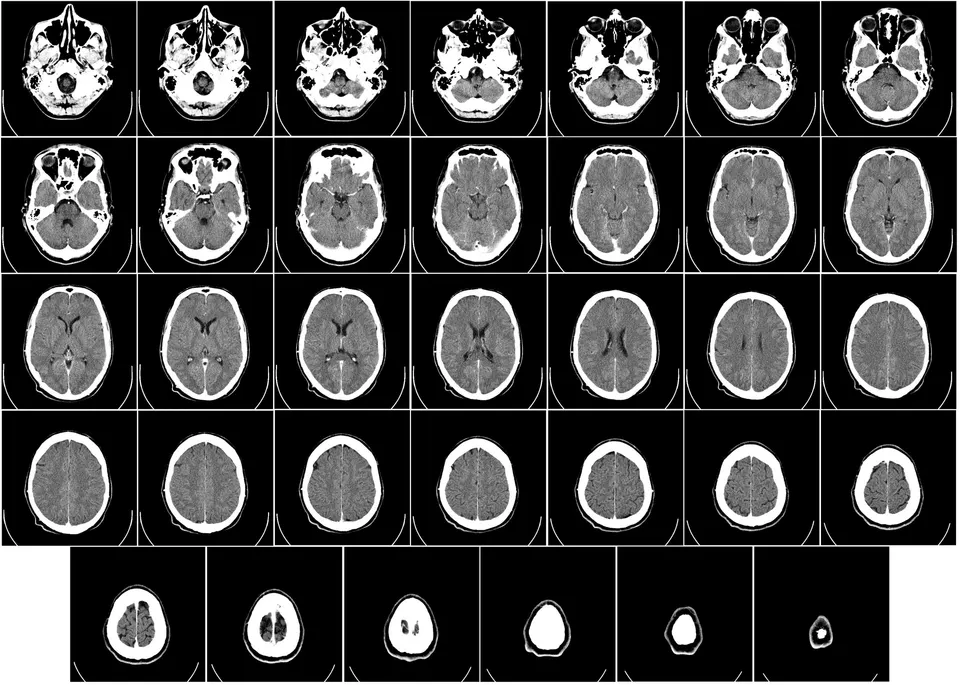
The authors built their analysis on several studies that follow older adults over time. These include the Health and Retirement Study (HRS), the English Longitudinal Study of Ageing (ELSA), SHARE, TILDA and LASA. The team also brought in brain imaging, using MRI data from ten separate datasets.
Dementia is a general term for a decline in memory, reasoning and other mental abilities that is severe enough to interfere with daily life. Researchers use incidence to mean the rate at which new cases arise in a population over a given period.
Comparing generations is a way to see whether people born later reach old age with greater cognitive capacity than those born earlier. The study's title points to both of these topics, but the material provided does not say what the team concluded, how large any differences were, or which factors might explain them. DexScience has not reported results that the source does not state.
Why it matters
The study examines how changes in thinking ability across generations relate to dementia incidence, using several long-term studies of aging from Western countries.
What we don't know yet
The source material available to DexScience contains no results, effect sizes or author conclusions, so none are reported here. Readers should consult the full paper for its findings and limitations.
Terms in this story
- Dementia incidence
- The rate at which new dementia cases appear in a population over a set period of time.
- MRI
- Magnetic resonance imaging, a scanning method that uses magnetic fields and radio waves to make detailed pictures of the brain and other organs.
Sources and verification
DexScience articles are produced with AI assistance and an automated fact-check against the linked sources. Spotted an error? Tell us and we will correct it openly.