Key points
- Researchers followed 274 children in KwaZulu-Natal, South Africa, from birth after they acquired HIV-1 from their mothers.
- A child's total HIV-1 DNA at birth was associated with how long it took to become undetectable on treatment.
- Low HLA-A expression was associated with low viral DNA at baseline and again at 9 months of age.
- Girls generally had stronger NK responses than boys but typically carried more HIV-1 DNA.
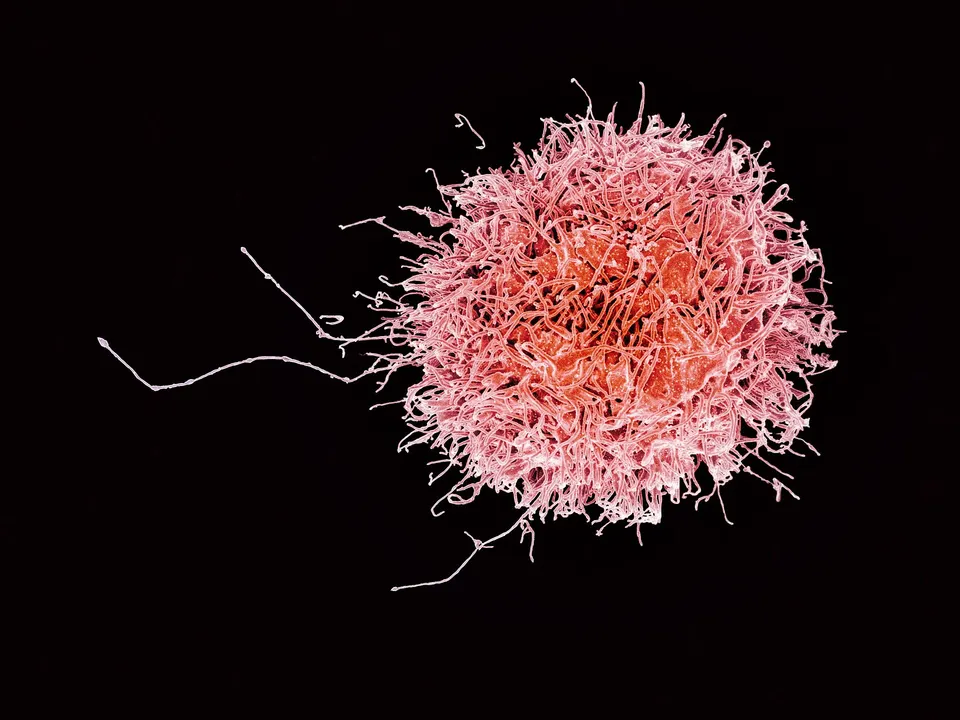
Some babies who acquire HIV-1 from their mothers and start antiretroviral therapy (ART) very early carry less of the virus's DNA. In this study, those babies tended to produce lower amounts of an immune molecule called HLA-A, a team reports in PLOS Pathogens. The researchers followed 274 children in KwaZulu-Natal, South Africa, from birth. Their results point to natural killer (NK) cells, fast-acting immune cells, as possible contributors to remission.
The team measured total HIV-1 DNA in blood cells. This serves as a stand-in for the viral reservoir, the hidden store of virus that treatment does not clear. The amount a child had at birth was associated with how long the DNA took to become undetectable on ART. Low levels were also shared by five boys, described in earlier work, who stayed free of detectable virus after their treatment was stopped without being planned.
At 9 months of age, among children whose virus was suppressed, low viral DNA went along with low HLA-A expression. It also went along with high levels of two NK cell markers, NKG2D and CD107a, on a subset known as CD56 dim cells. Girls generally mounted stronger NK responses than boys yet typically carried more viral DNA. This was especially true of girls with certain HLA-B types usually considered protective. In those girls, protein analysis showed increased activity in a pro-inflammatory pathway called IL-17.
The authors say the findings indicate a central role for specific NK responses in cure or remission after very early ART in children. They add that this fits with studies of post-treatment control in adults.
Why it matters
The authors suggest that low HLA-A expression and specific NK cell activity may help children stay in control of HIV-1 after stopping therapy. These are features that could help explain who achieves remission after very early treatment.
What we don't know yet
The study is observational and reports associations rather than cause and effect. Sustained control without treatment was described in just five boys, all after unplanned interruptions of their treatment. Total HIV-1 DNA in blood is a stand-in for reservoir size, which the authors note lies mainly in lymphoid tissue.
Terms in this story
- Natural killer (NK) cells
- Immune cells that can quickly recognize and destroy infected cells without needing prior exposure to a specific germ.
- HLA-A
- One of the molecules on the surface of cells that show protein fragments to the immune system and help regulate NK cell activity.
- Viral reservoir
- A hidden store of virus within the body that persists despite treatment and can restart infection if therapy stops.
Sources and verification
DexScience articles are produced with AI assistance and an automated fact-check against the linked sources. Spotted an error? Tell us and we will correct it openly.