Key points
- The study appeared in Natural Hazards and Earth System Sciences on November 20, 2026.
- Researchers used numerical analysis, meaning computer-based calculation.
- The work centers on the dynamics between debris flows and wave propagation.
- The method relies on multi-layer shallow water equations.
A new peer-reviewed paper uses computer simulation to study how debris flows and spreading waves interact. The study was published November 20, 2026, in Natural Hazards and Earth System Sciences, a journal from EGU and Copernicus Publications. The paper's title frames its focus as the dynamics between debris flows and wave propagation, a term for the way waves travel outward.
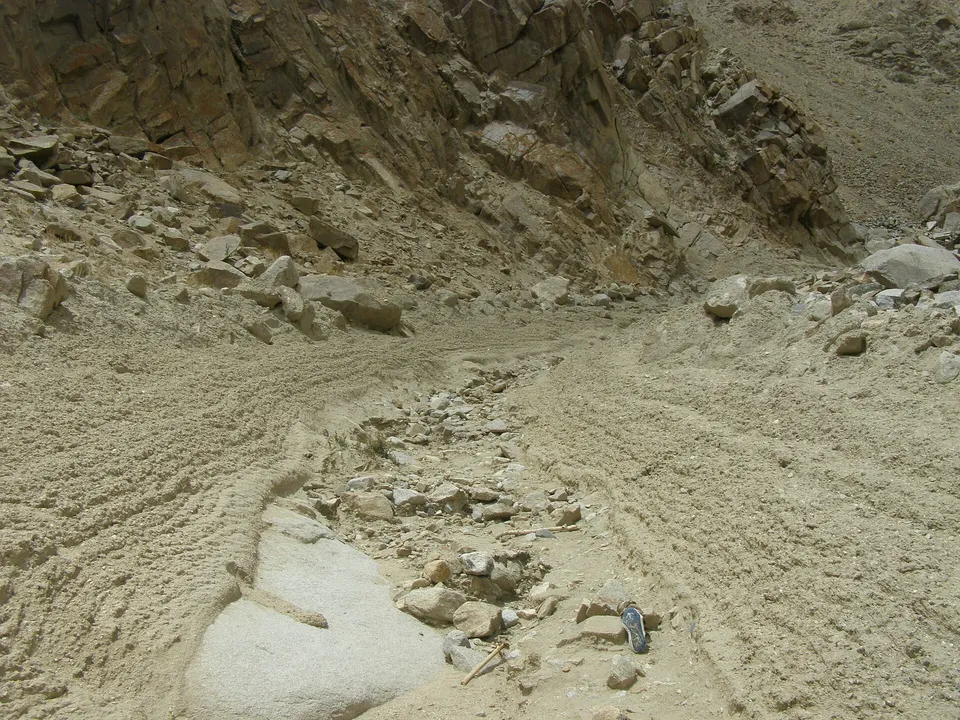
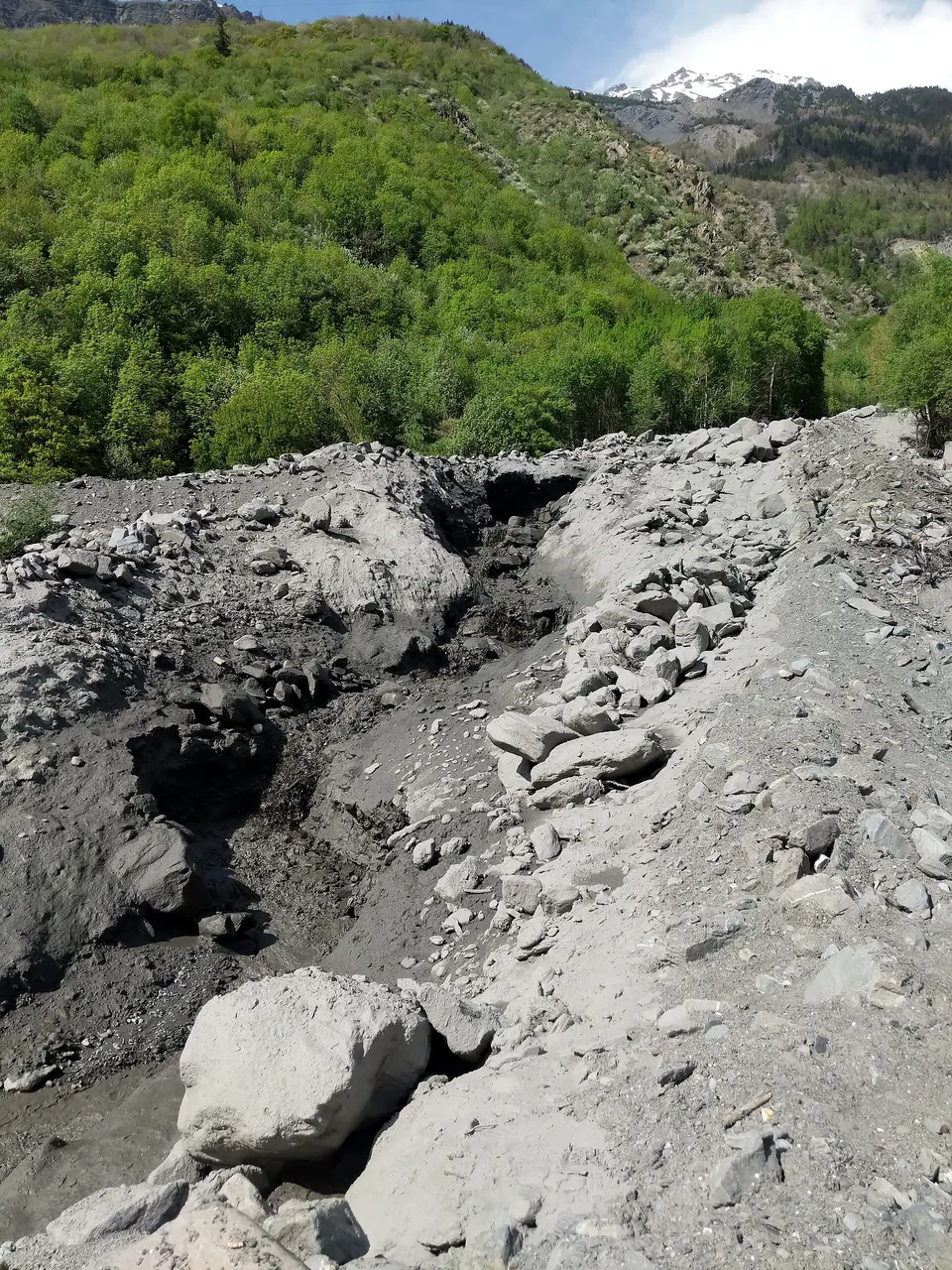
Debris flows are fast-moving slurries of water, soil, rock and other loose material that rush down slopes and channels.
To study the interaction, the researchers used numerical analysis, meaning they solved the governing physics step by step on a computer. Their tool is a set of multi-layer shallow water equations. These equations describe flows that spread much farther sideways than they reach in depth, and the multi-layer version can handle more than one layer of material at once. The source material does not describe how the layers in the model are defined.
The source material DexScience received gives the paper's title, journal and publication date, but not its study site, specific results or conclusions. This summary therefore covers only the scope described in the title. Readers who want the findings can consult the full paper in Natural Hazards and Earth System Sciences.
Why it matters
The study appears in a journal focused on natural hazards. It addresses how two linked processes, debris flows and wave propagation, can be simulated together.
What we don't know yet
The source material available did not include the paper's abstract, study site or results, so the study's specific findings and limitations could not be reported.
Terms in this story
- Debris flow
- A fast-moving mix of water, mud, rock and other loose material that surges down slopes and channels.
- Shallow water equations
- A mathematical description of flows that are much wider than they are deep, widely used to simulate rivers, floods and waves.
- Numerical analysis
- Solving physical equations approximately on a computer, step by step, when they cannot be solved exactly by hand.
Sources and verification
DexScience articles are produced with AI assistance and an automated fact-check against the linked sources. Spotted an error? Tell us and we will correct it openly.