Key points
- In steep Southern California catchments, erosion in the 3 years after fire runs about 17 times above background rates.
- In low-sloping, soil-covered catchments, sediment export after fire is only about 1.5 times background rates.
- Steep-catchment debris-flow volumes declined when fires recurred more often than the roughly 30-year interval typical of the past century.
- Wildfire frequency in Southern California has tripled in recent decades, according to the researchers.
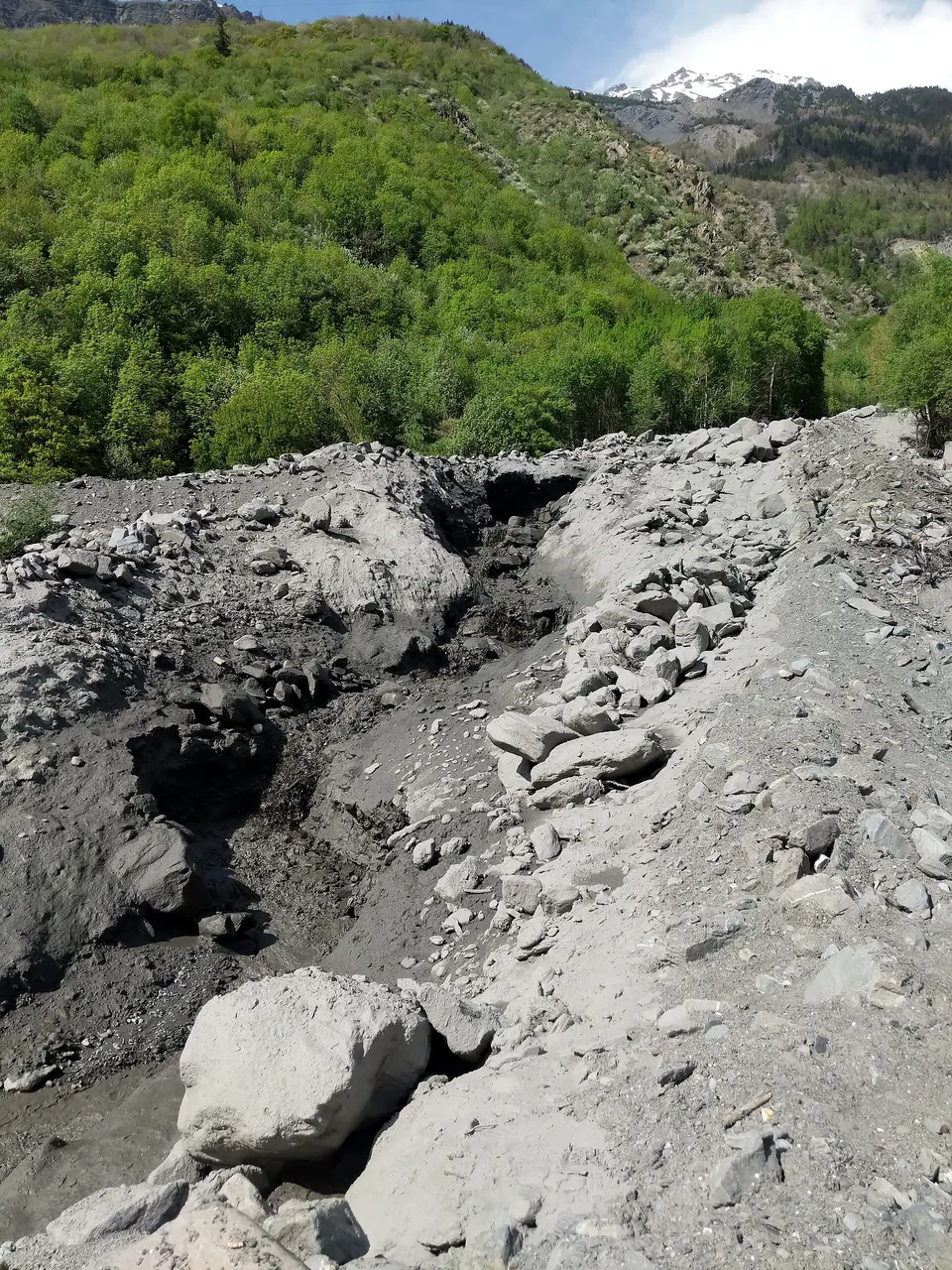
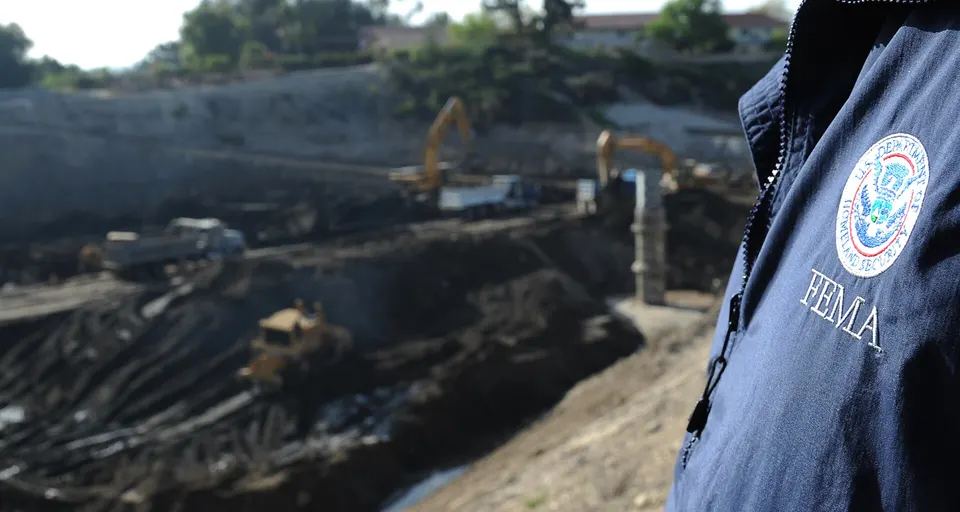
Southern California's steep hillsides may produce smaller debris flows, not larger ones, when wildfires return more often. Researchers reached that conclusion after studying long-term records from debris basins, which are engineered basins built to trap mud and rock coming out of canyons. They report in Science Advances that a limited supply of loose sediment may explain the pattern.
The question matters in this region. Southern California has steep terrain, frequent fires and heavy rainstorms, and many people live where neighborhoods meet wildland. Together, these conditions lead to costly flows of mud and rock after fires. The team notes that wildfire frequency there has tripled in recent decades, which has raised concern that debris-flow hazards will grow.
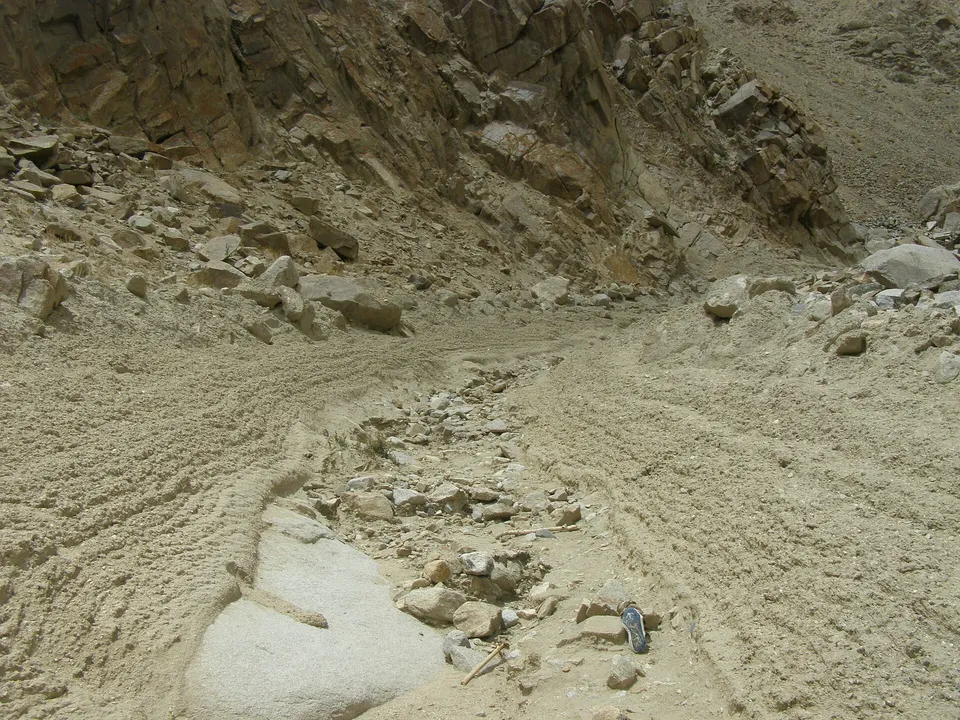
The basin records showed two distinct patterns. In steep catchments, erosion follows what the authors call a binge-purge cycle. For 3 years after a fire, erosion runs about 17 times higher than background rates. In gently sloping catchments covered in soil, sediment export after fire was only about 1.5 times background rates.
In the steep catchments, debris-flow volumes fell when fires came back more often than about every 30 years, the typical interval over the past century. According to the researchers, this suggests these slopes may need time to rebuild a stock of loose material. If fires return sooner, less sediment may be available to wash downhill.
Why it matters
Wildfire frequency in Southern California has tripled, and these findings suggest that more frequent fire may reduce some of the region's most severe debris-flow hazards rather than amplify them.
What we don't know yet
The finding rests on historical debris basin records. The authors say the observation suggests a sediment-supply limit, and it applies only to steep catchments and to some of the most severe hazards. Low-sloping, soil-covered catchments behaved differently.
Terms in this story
- Debris flow
- A fast-moving slurry of water, mud, rock and debris that rushes down steep slopes and channels, often after heavy rain.
- Debris basin
- An engineered basin that traps sediment flowing out of a canyon, so the amount collected over time serves as a record of erosion.
- Background rate
- The typical rate of erosion on a landscape when no fire or other disturbance has recently occurred.
Sources and verification
DexScience articles are produced with AI assistance and an automated fact-check against the linked sources. Spotted an error? Tell us and we will correct it openly.