Key points
- The study was published in Nature Climate Change on November 20, 2026.
- It looks at interactions between glaciers and lakes on a global scale.
- Its headline conclusion is that climate and glacier geometry are the dominant factors in those interactions.
A study published November 20, 2026, in Nature Climate Change looks at how glaciers and lakes interact around the world. According to the paper's title, two factors come out on top: climate and the geometry of the glaciers themselves.
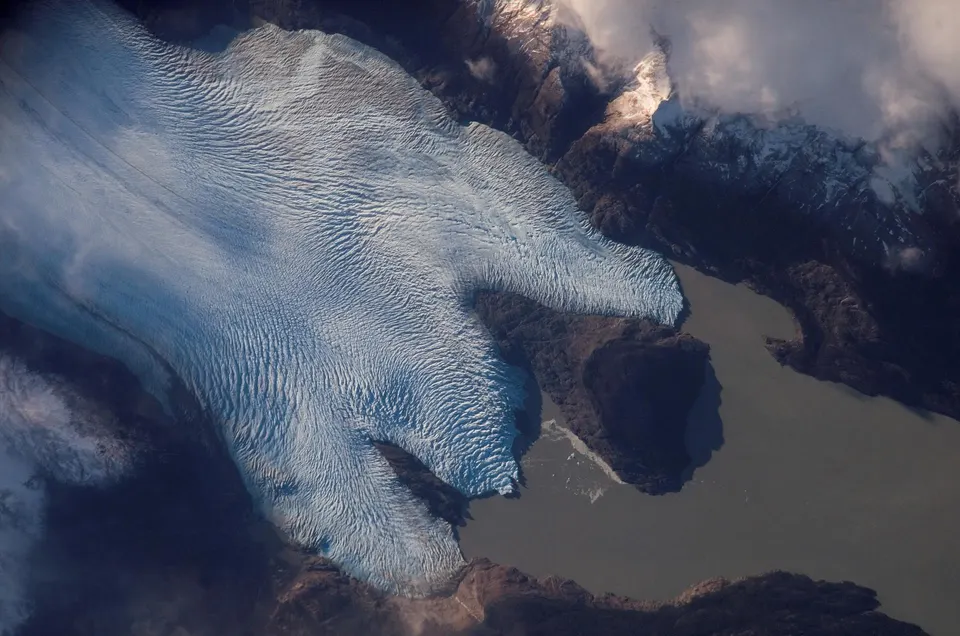
Some background helps here. Glacial lakes often form when meltwater pools at the edge of a shrinking glacier. Where a glacier ends in one of these lakes, the water can wear away the ice front through melting and calving, which is when chunks of ice break off.
Because the paper names climate and glacier geometry as the dominant influences across the globe, the study speaks to a broad question: how much of what happens at these icy shorelines comes down to the surrounding climate and to the glacier's own shape, compared with other factors.
Why it matters
By treating glacier–lake interactions as a worldwide question, the study points to which factors most strongly shape the way glaciers and the lakes in front of them affect each other.
What we don't know yet
This summary is based only on the paper's title and publication details. The material we had did not include the study's methods, measurements or regional results.
Terms in this story
- Glacial lake
- A body of water that forms next to or in front of a glacier, usually from meltwater.
- Calving
- The breaking off of chunks of ice from the front of a glacier into water.
- Glacier geometry
- The physical shape and layout of a glacier and the ground beneath it.
Sources and verification
DexScience articles are produced with AI assistance and an automated fact-check against the linked sources. Spotted an error? Tell us and we will correct it openly.