Key points
- Peatland drainage has contributed about 2.7 percent of present-day human-caused warming, MIT researchers estimate in Nature.
- The drained area covers about 0.5 percent of Earth's land, or roughly 15 percent of all peatland.
- Peatlands store about 30 percent of the world's soil carbon on 3 or 4 percent of the land surface.
- If today's drained peatlands stay drained, cumulative warming from peatlands could almost double by 2100.
Draining the world's peatlands has contributed about 2.7 percent of present-day human-caused warming, researchers at MIT report in Nature. The drained land makes up about 0.5 percent of Earth's land surface, which is roughly 15 percent of all peatland.
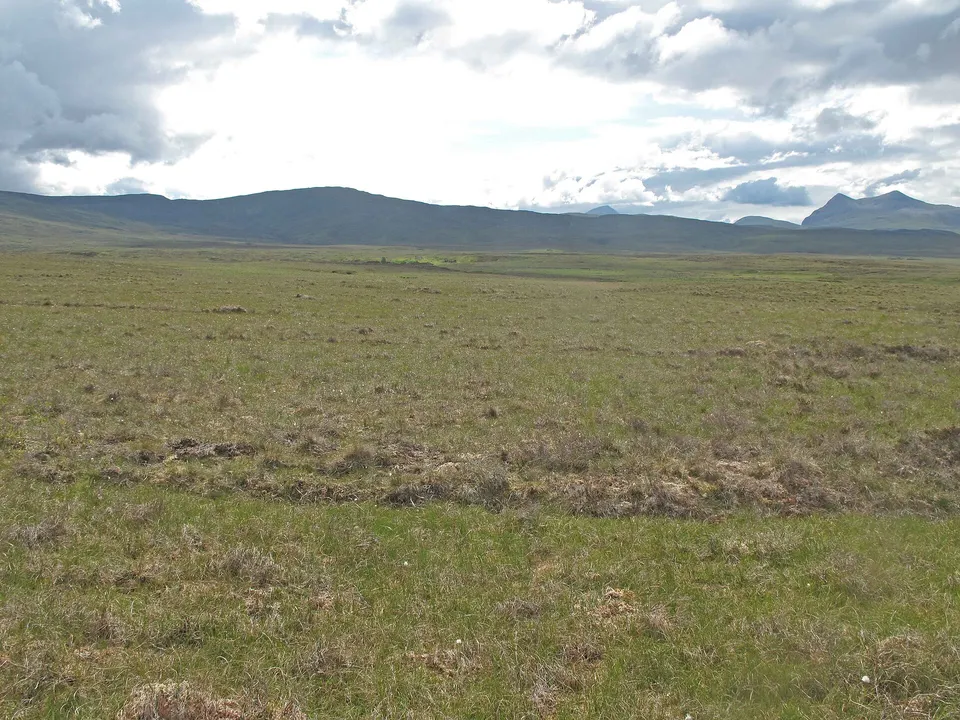
Peatlands, such as bogs and swamps, are soggy, oxygen-poor places where half-rotted plant material builds up as peat. They cover only 3 or 4 percent of the land but hold about 30 percent of the world's soil carbon. Their microbes give off methane, a potent greenhouse gas. Even so, intact peatlands cool the planet overall because their plants pull in so much carbon dioxide. Drainage flips that balance. Once air reaches the peat, microbes break it down and release carbon dioxide for hundreds of years, even though methane from the peat itself falls.
First author Jevan Yu, an MIT doctoral student, and associate professor César Terrer led the work with colleagues. The team traced when and where peatlands were drained between 1800 and 2020. They also assembled an expanded emissions dataset that includes the drainage ditches, which can be strong methane sources. They then fed both into models that link greenhouse gas flows to the depth of the water table, the level below which the soil is saturated. The models suggest that even with no new drainage, keeping today's drained peatlands dry could almost double the cumulative warming caused by peatlands by 2100.
Terrer says the results argue for two steps: stop draining peatlands, and rewet the ones already drained by raising their water tables. According to Terrer, rewetting would not undo warming that has already happened, but it would prevent part of the warming that drained peatlands would otherwise add this century.
Why it matters
The researchers say opposing emission effects and long timescales may have led climate efforts to overlook peatland drainage. They add that their findings support peatland restoration projects around the world.
What we don't know yet
The researchers say their emissions models still need refinement. They also plan to study how factors other than water table depth affect peatland emissions.
Terms in this story
- Peatland
- A waterlogged, low-oxygen ecosystem, such as a bog or swamp, where partly decayed plant matter builds up as carbon-rich peat.
- Water table
- The depth below which soil is fully saturated with water.
Sources and verification
DexScience articles are produced with AI assistance and an automated fact-check against the linked sources. Spotted an error? Tell us and we will correct it openly.