Key points
- A paired electrochemical process removes chlorine from PVC at one electrode and uses it to build monomer precursors at the other.
- The method made nitrogen-containing cyclic ketene acetal monomers that were previously unavailable, and the authors report remarkably high yields.
- Experiments and calculations indicate that oxygen and nitrogen atoms strongly affect how efficiently medium-sized rings close.
- Copolymerizing with methyl acrylate added hydrolysable links to otherwise persistent olefin-based plastics.
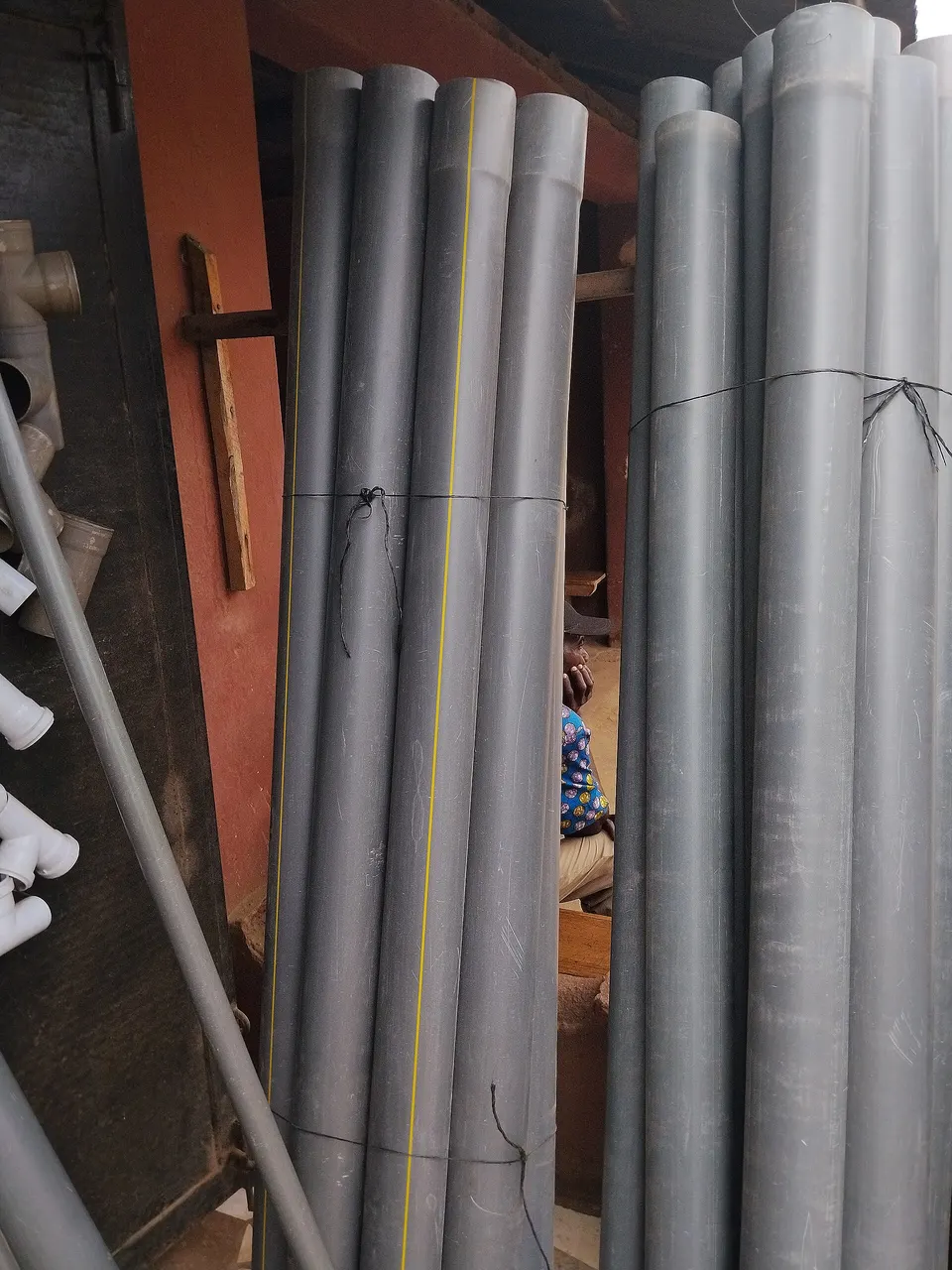
Chemists have developed an electrochemical method that pulls chlorine out of poly(vinyl chloride), or PVC, and puts that chlorine to work making building blocks for biodegradable plastics. The study appears in a peer-reviewed journal published by Wiley-VCH. It runs two useful reactions at once, one at each electrode of a single undivided cell.
At the cathode, the negatively charged electrode, chlorine is removed from the PVC polymer backbone. The freed chloride is not thrown away. At the anode, it is built into ring-shaped molecules called cyclic halo acetals. The team then converts these into cyclic ketene acetals. These are monomers, the small units that join into long polymer chains, and they link up through radical ring-opening polymerization.
According to the researchers, the electrochemical ring-closing step produced nitrogen-containing cyclic ketene acetal monomers that had not been available before, and in remarkably high yields. Their experiments and computer models point to a strong heteroatom effect: adding oxygen or nitrogen atoms changes how easily medium-sized rings form. The authors attribute this to the gauche effect, which holds the molecule in a shape that favors ring closure.
The team polymerized one nitrogen-containing monomer on its own and also combined it with established ketene acetals, producing biodegradable poly(amino ester) materials. A copolymer with methyl acrylate built breakable, water-sensitive links into a type of plastic that otherwise persists. Because PVC dechlorination at the cathode works regardless of what happens at the anode, the researchers say the paired approach could be widely applicable.
Why it matters
The authors describe a PVC recycling process that also produces previously inaccessible monomer building blocks for biodegradable polymers.
Terms in this story
- Paired electrolysis
- An electrochemical setup in which the reactions at both electrodes each produce something useful, rather than one side being wasted.
- Radical ring-opening polymerization
- A way of making polymers in which reactive radical species break open ring-shaped monomers and string them into chains.
- Gauche effect
- A tendency of certain molecules to prefer a twisted arrangement around a chemical bond, which can steer their overall shape.
Sources and verification
DexScience articles are produced with AI assistance and an automated fact-check against the linked sources. Spotted an error? Tell us and we will correct it openly.