Key points
- The nitration is driven by nitrogen dioxide and works on many polyolefins with 87–97% selectivity.
- Functionalization reached up to 2.4 mol% in just 5 minutes, and the polymers largely kept their molecular weights.
- The modified plastics showed better tensile and adhesion properties than the starting materials.
- A dynamic covalent network made from them was 23-fold tougher than the original polyolefin mixture.
Chemists have found a fast way to upgrade mixed polyolefin plastics. Instead of breaking the long chains apart, they attach new chemical groups to them. In Nature Communications, the researchers report that the modified plastics have better tensile and adhesion properties than the starting materials. That matters because waste streams usually contain a jumble of these plastics, and few chemical methods work on all of them.
Polyolefins are a large family of everyday plastics, including polyethylene and polypropylene, made of long chains of carbon and hydrogen. The team used C–H functionalization, which swaps some hydrogen atoms on the chain for polar groups while leaving the chain itself intact.
The reaction is driven by nitrogen dioxide, NO2. According to the authors, its small size and radical nature let it react readily with many different polyolefins, with 87–97% selectivity. Within 5 minutes, functionalization reached up to 2.4 mol%, and the polymers largely kept their molecular weights. The team also turned the nitrated plastics into a dynamic covalent polymer network, a material held together by bonds that can break and re-form. That network was 23-fold tougher than the original polyolefin mixture.
The researchers call the approach scalable and compatible with waste. They also describe it as an alternative to depolymerization, which breaks plastics down into smaller molecules. The peer-reviewed paper was released early and may still be edited before its final version appears.
Why it matters
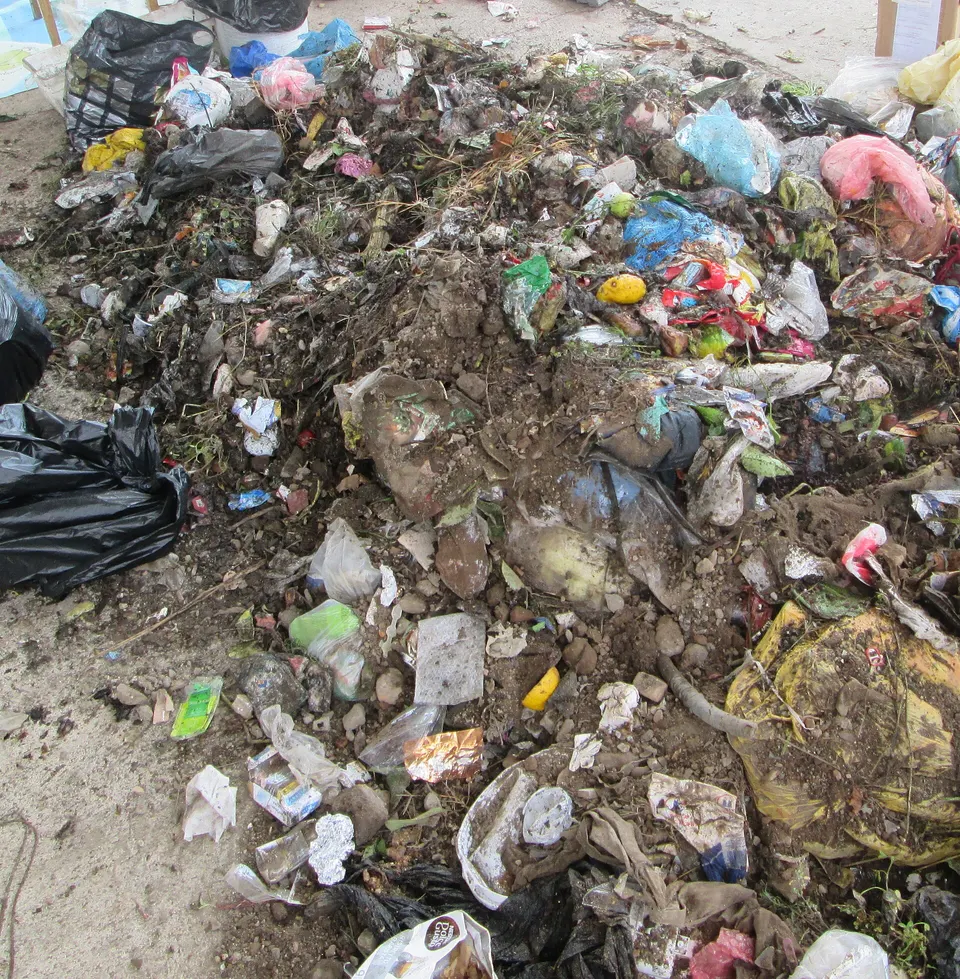
Mixed polyolefin waste is hard to recycle. The authors say this fast, general nitration method could upgrade such mixtures into useful functional materials instead of just breaking them down.
What we don't know yet
The article is an early release of accepted research and may change before the final Version of Record. The authors call the method scalable and compatible with waste, but the source gives no details of large-scale tests.
Terms in this story
- Polyolefin
- A plastic, such as polyethylene or polypropylene, built from long chains of carbon and hydrogen atoms.
- C–H functionalization
- A reaction that replaces a hydrogen atom bonded to carbon with a different chemical group.
- Dynamic covalent polymer network
- A cross-linked material whose chemical bonds can break and re-form under certain conditions.
Sources and verification
DexScience articles are produced with AI assistance and an automated fact-check against the linked sources. Spotted an error? Tell us and we will correct it openly.