Key points
- The doxorubicin study centered on DnrV, a vicinal oxygen chelate (VOC) protein.
- DnrV blocks reactive oxygen species formation and substrate breakdown while promoting P450 enzyme catalysis.
- The team describes a related protein family, REACT, in bacteria, fungi and plants.
- The work appears in Science, Volume 394, Issue 6826, pages 859-863.
Many natural products are built through redox reactions, the chemistry of passing electrons between molecules. That same chemistry can also make these compounds toxic to the organisms that produce them. Writing in the journal Science, researchers describe a conserved mechanism that seems to manage this tradeoff. It coordinates three tasks: protecting the producer, keeping starting materials from breaking down, and finishing the last steps of assembly.
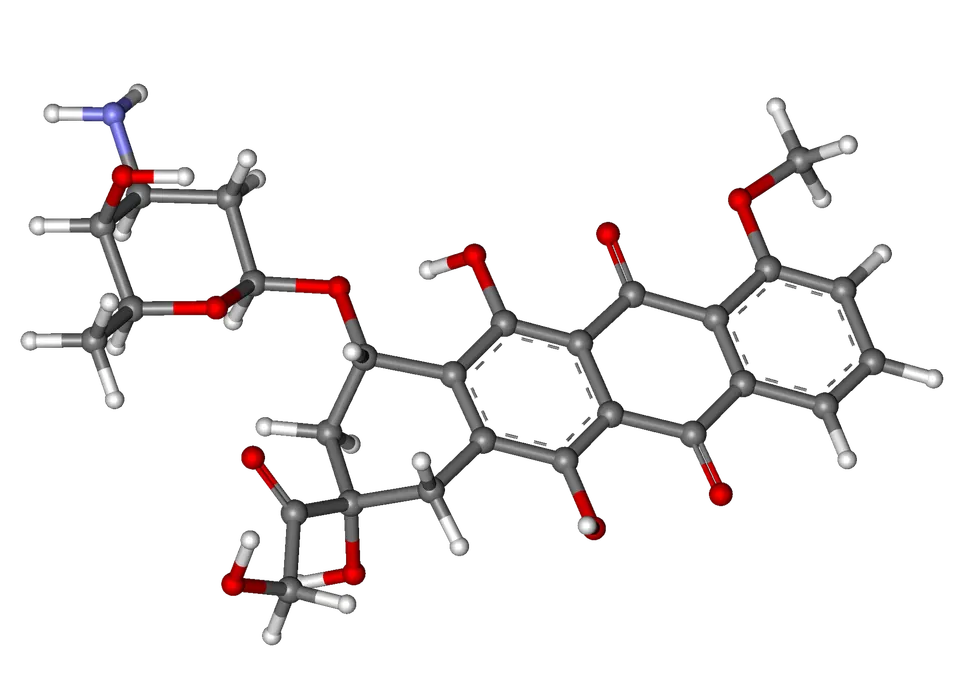
The team used doxorubicin, an antitumor antibiotic, as its test case. Its focus was DnrV, a vicinal oxygen chelate (VOC) protein. DnrV stops reactive oxygen species from forming and keeps the substrate intact. At the same time, it promotes catalysis by a P450 enzyme. P450s are a large family of iron-containing enzymes that commonly attach oxygen atoms to other molecules.
The researchers then took the idea beyond one drug. They describe a wider group of VOC-fold proteins, which they call redox-associated cytotoxin-binding proteins, or REACT. Members of this group turn up in bacteria, fungi and plants. In the authors' view, REACT proteins have several jobs at once: helping put antibiotics together, shielding the producer, and keeping metabolites from being destroyed.
How microbes keep redox-driven production and self-harm in balance has been poorly understood, the team notes. The researchers say their results lay a foundation for understanding how organisms make natural products that carry out redox chemistry.
Why it matters
Redox chemistry drives both how many natural products are built and why they are toxic. The authors say the REACT family offers a foundational explanation of how organisms manage to produce such compounds.
What we don't know yet
The detailed experiments focused on a single model system, doxorubicin biosynthesis. The abstract does not say how fully each member of the wider REACT family was tested.
Terms in this story
- Reactive oxygen species
- Unstable oxygen-containing molecules that can damage proteins, DNA and other parts of a cell.
- P450 enzyme
- A member of a large family of iron-containing enzymes that often add oxygen to molecules.
- Natural product
- A chemical compound made by a living organism, such as many antibiotics.
Sources and verification
DexScience articles are produced with AI assistance and an automated fact-check against the linked sources. Spotted an error? Tell us and we will correct it openly.