Key points
- The team solved three cryo-electron microscopy structures of RXFP1: empty, bound to relaxin-2, and bound to AZD5462.
- Relaxin-2 binds the receptor's ectodomain, while the drug candidate AZD5462 binds the transmembrane domain.
- Relaxin-2 makes the receptor's linker region fold into a helix; AZD5462 activates it through different rearrangements.
- Protein and small-molecule RXFP1 activators are being tested in midstage trials for several kinds of heart disease.
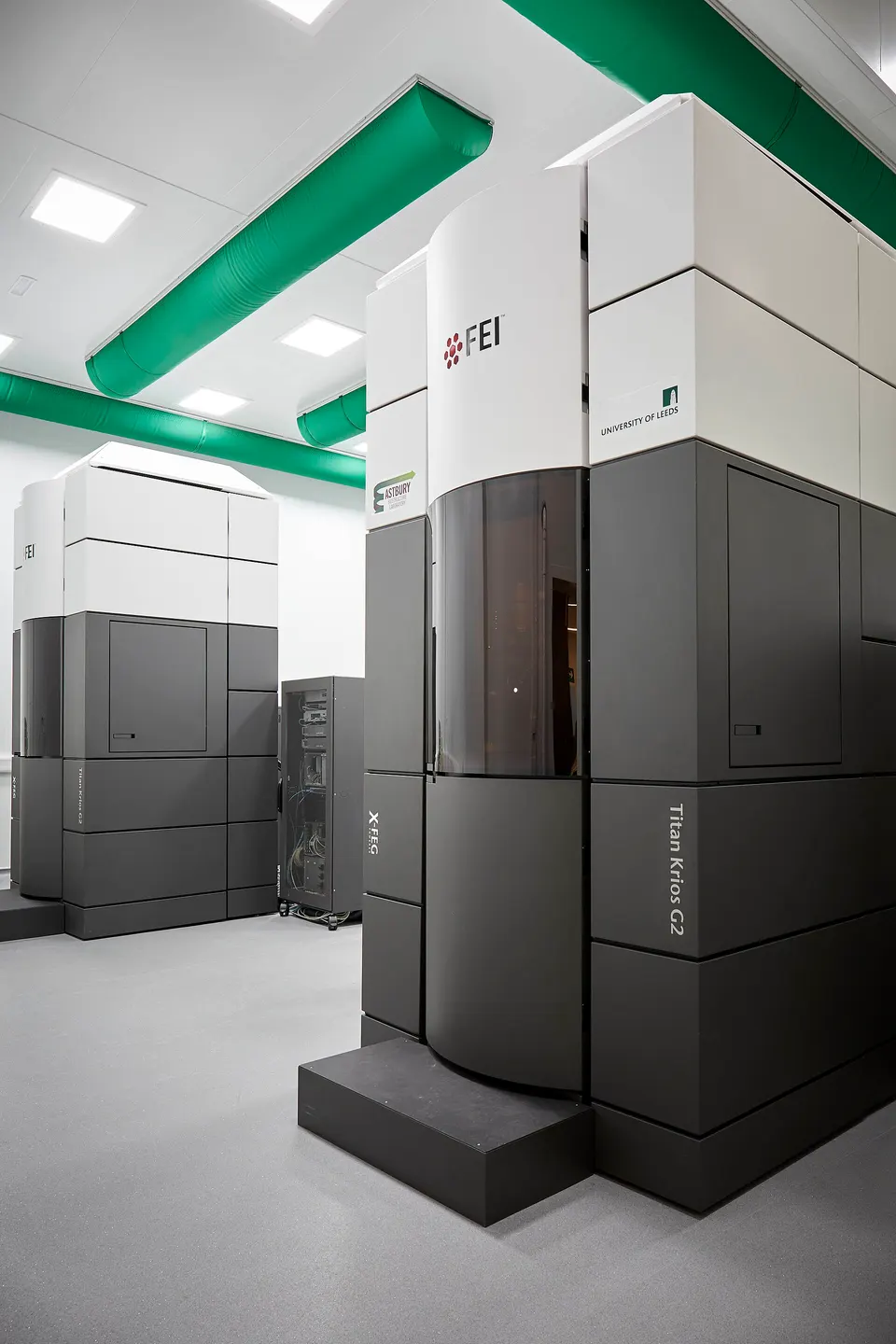
Researchers have captured detailed 3D snapshots showing that a natural hormone and an experimental drug turn on the same receptor in two different ways. Reporting in Science, the team used cryo-electron microscopy, a method that images flash-frozen molecules, to picture the relaxin receptor RXFP1 in three states: empty, bound to the body's own hormone relaxin-2, and bound to a small-molecule drug candidate called AZD5462.
RXFP1 draws interest as a drug target because switching it on may help treat fibrosis and heart failure. Both protein-based and small-molecule drugs that activate the receptor are already being tested in midstage clinical trials across several types of heart disease, the researchers note.
The new structures show the two activators latch onto different parts of the receptor. Relaxin-2 attaches to the ectodomain, the portion that sits outside the cell, while AZD5462 lodges in the transmembrane domain, the section threaded through the cell membrane. With a second technique, hydrogen-deuterium exchange mass spectrometry, the team found that relaxin-2 prompts a linker region of the receptor to fold into a helix.
AZD5462 takes another route, holding the receptor in an active shape through its own separate set of structural shifts. The authors conclude that protein and small-molecule activators of RXFP1 rely on divergent mechanisms to do the same job.
Why it matters
RXFP1 is a therapeutic target for fibrosis and heart failure, and protein and small-molecule agonists are in midstage clinical trials for heart disease; knowing how each type activates the receptor could inform the development of such drugs.
What we don't know yet
The study describes the receptor's structures and does not report effects in patients; the RXFP1 activators it mentions are still in midstage clinical trials.
Terms in this story
- Cryo-electron microscopy
- A technique that images rapidly frozen molecules with electrons to work out their 3D shape.
- Agonist
- A molecule that binds a receptor and switches it on.
- Transmembrane domain
- The part of a receptor protein that passes through the cell's outer membrane.
Sources and verification
DexScience articles are produced with AI assistance and an automated fact-check against the linked sources. Spotted an error? Tell us and we will correct it openly.