Key points
- HardwareDx is an AI system that diagnoses hardware problems in datacenter machines using a graph foundation model.
- The authors report it is deployed at production scale at Google.
- Production downtime fell by 18.3% on GPU platforms and 16.1% on TPUs, according to the paper.
- Quality assurance time for new hardware dropped by 28.3% for GPUs and 25.1% for TPUs.
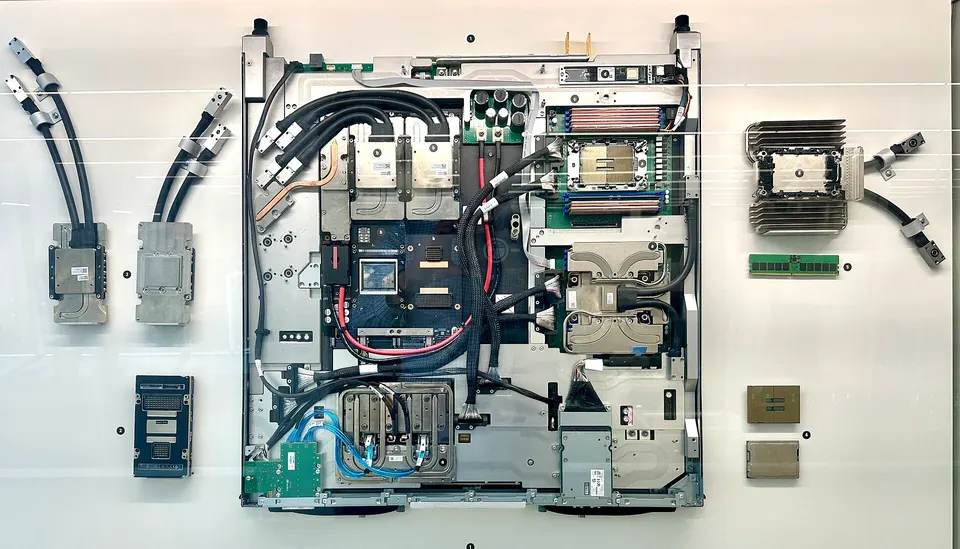
A team of researchers has described an AI system called Hardware Diagnoser, or HardwareDx, that helps decide how to fix broken machines in datacenters. The team reports that the system runs at production scale at Google. In real-world evaluations there, it cut downtime by 18.3% on platforms built around GPUs (graphics processing units) and by 16.1% on TPUs, Google's tensor processing units.
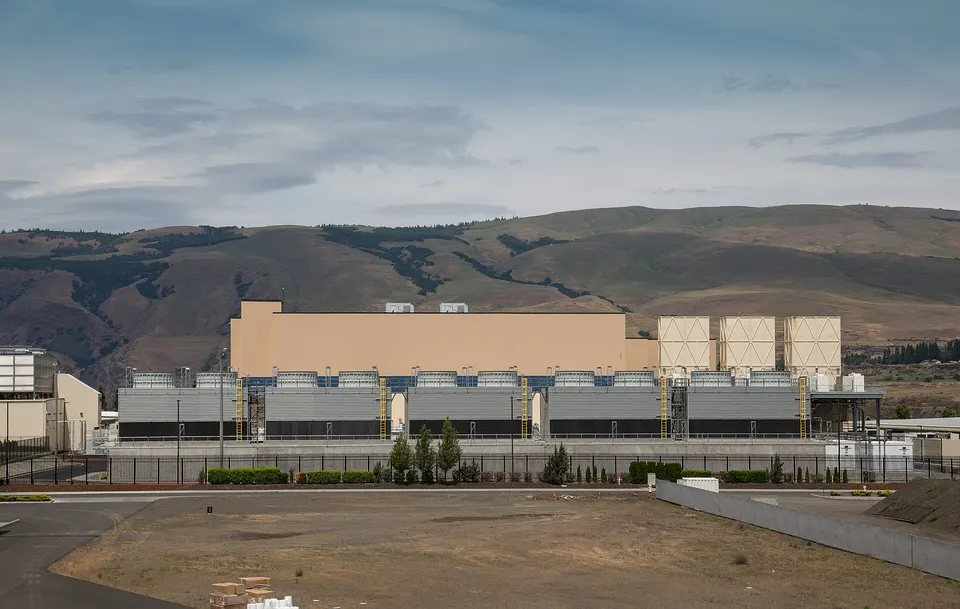
The authors say this matters because large AI clusters are expensive to run. When one machine fails, it can hold up a training job worth millions of dollars, so even a single idle machine can cost a lot. They argue that keeping downtime low is now more important than it has ever been.
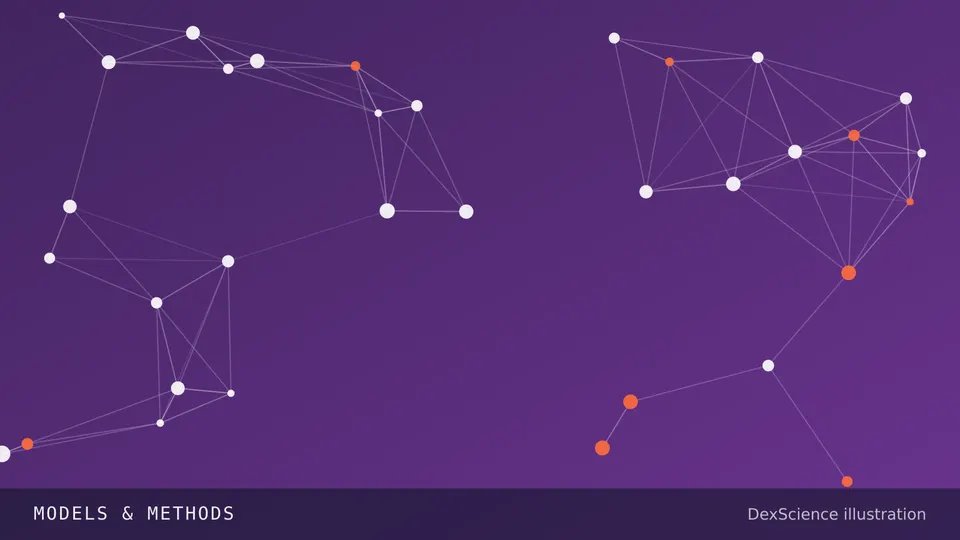
HardwareDx is built on what the team calls a graph foundation model. In general terms, a graph represents things and the links between them. A foundation model is trained broadly enough to handle many tasks. That design lets one model diagnose faults across many hardware platforms, so separate tools are not needed for each one. The researchers say it also helps bring new hardware into service faster. They report that it cut quality assurance time, the checking stage before new hardware is put to work, by 28.3% for GPUs and 25.1% for TPUs.
The paper was posted to the arXiv preprint server and has not yet been peer-reviewed. According to the listing, it has been accepted to the NeurIPS 2026 conference.
Why it matters
The authors say hardware failures in very large AI clusters can stall training jobs worth millions of dollars. Shortening machine downtime and hardware checks could therefore make AI computing fleets more reliable and less costly to run.
What we don't know yet
This is a preprint that has not yet been peer-reviewed. All of the reported results come from the authors' own evaluations at a single company, Google.
Terms in this story
- Graph foundation model
- A broadly trained AI model that works on data structured as a network of connected items, so it can handle many related tasks.
- TPU
- A tensor processing unit, a chip Google designed to speed up machine-learning calculations.
- Quality assurance
- The testing and checking that new hardware goes through before it is put into service.
Sources and verification
DexScience articles are produced with AI assistance and an automated fact-check against the linked sources. Spotted an error? Tell us and we will correct it openly.